
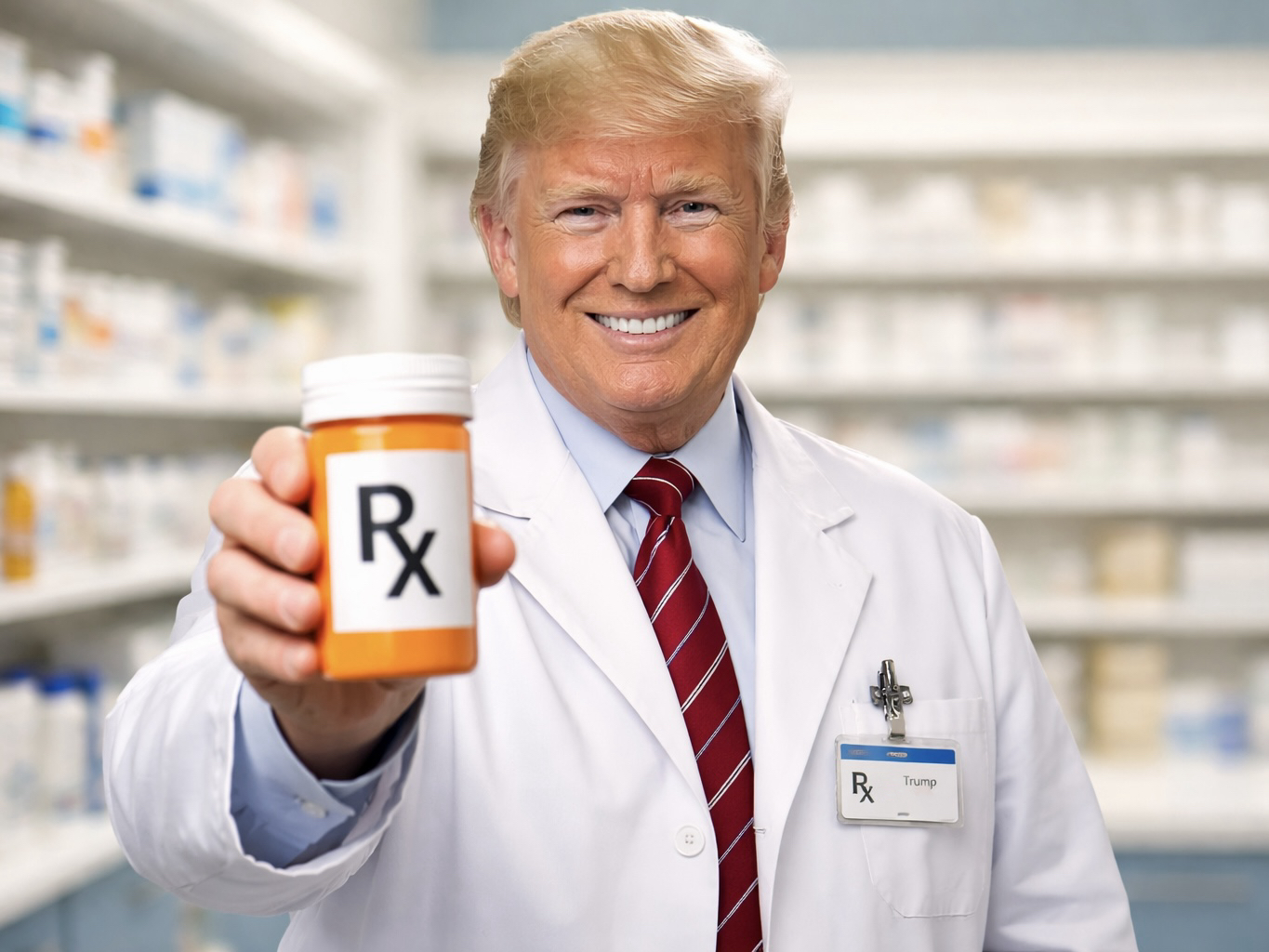
TrumpRx is officially here with a loud pitch about lower drug prices and manufacturer backed discounts, all wrapped in a very familiar political brand. At first glance, it reads like a fresh attempt to take on one of the most frustrating parts of American life, paying for prescriptions. Spend a few minutes with the details, though, and it becomes clear this is less about reinventing drug pricing and more about repackaging something that already exists.
TrumpRx presents itself as a destination for discounted cash prices on brand name medications. What it does not do is sell drugs, dispense prescriptions, or operate pharmacies. It also does not actually execute the discounts it promotes. Instead, it lists prices and sends consumers to a partner platform to finish the job. That partner is GoodRx, a company that has been in the prescription savings business for years.
At launch, GoodRx is powering pricing for more than 30 essential Pfizer medications on TrumpRx, spanning categories like women’s health, migraine, arthritis, and some rare diseases. Other pharmaceutical manufacturers are expected to join over time. The headline numbers are attention grabbing, with advertised discounts as high as 85 percent and average savings closer to 50 percent for many primary care drugs. Anyone who has followed this space for a while knows that “up to” is doing a lot of work there, and real world savings often vary widely depending on the drug, the pharmacy, and the patient.
What TrumpRx really offers is a new front door. The discounts themselves are not being invented here. They are published by manufacturers and operationalized by GoodRx, which already has the pharmacy integrations, pricing tools, and consumer experience in place. Strip away the branding and the political framing, and the underlying mechanics look very similar to how GoodRx has functioned for a long time.
That does not make TrumpRx useless, but it does make the marketing feel a bit ahead of the substance. TrumpRx talks a big game about direct to consumer pricing, yet the consumer journey still relies on a third party platform to make the savings real at the pharmacy counter. If you have used GoodRx before, much of this will feel familiar.
Pfizer’s participation does give the launch some weight. Large pharmaceutical companies do not casually attach themselves to gimmicks, and offering discounted cash prices on dozens of brand name drugs could genuinely help some patients, especially those who are uninsured or stuck with high deductibles. Still, it is fair to ask how many people will actually qualify, how long these discounts will last, and whether they meaningfully beat what patients could already find through existing GoodRx listings.
There is also the bigger question of what problem this is really solving. Prescription drug pricing in the United States is a mess because of insurers, pharmacy benefit managers, list prices, and opaque negotiations that happen far away from patients. TrumpRx does not change any of that. It does not reform the system. It does not negotiate lower list prices. It simply creates a curated pathway to discounted cash offers and presents that pathway as something new.
From GoodRx’s perspective, this move makes perfect sense. Acting as the infrastructure behind emerging pricing models strengthens its role as plumbing rather than just a coupon site. By handling pricing, pharmacy enablement, and the consumer experience in one place, it makes it easier for manufacturers to roll out discounted programs quickly and at scale. TrumpRx is just another channel feeding into that machine.
For readers, the takeaway should be measured. If TrumpRx helps some people save real money on prescriptions, that is a positive outcome. At the same time, it is worth being honest about what is happening here. This is not a revolution in drug pricing. It is a new label on a familiar system, with most of the real work being done behind the scenes.
The story matters because it shows how desperate the healthcare market is for anything that looks like relief, and how easily branding can overshadow infrastructure. Just do not confuse the name on the website with the engine underneath it.
Support independent tech journalism
NERDS.xyz is independently owned and operated. If you enjoy my coverage of Linux, AI, hardware, cybersecurity, and tech culture, consider supporting the site on Ko-fi.
Support NERDS.xyz