

The Salvation Army has officially opened what it calls the world’s first digital thrift store inside Roblox. The experience is named Thrift Score, and it allows players to browse racks of virtual clothing and accessories for their in game avatars. It is positioned as a way to introduce Gen Z and Gen Alpha to the concept of thrifting while raising funds for the organization’s real world programs.
I am going to be honest. This one feels weird to me.
A thrift store, at least in my mind, is not a gimmick. It is not a vibe. It is not a fashion aesthetic curated for social media clout. It is a place where people who are struggling can find clothes, furniture, and essentials at prices they can actually afford. It is where families stretch a tight budget. It is where someone rebuilding their life after addiction or hardship might buy a suit for a job interview.
So when I hear about a thrift store recreated inside a video game, complete with limited edition digital fashion for avatars, I pause.
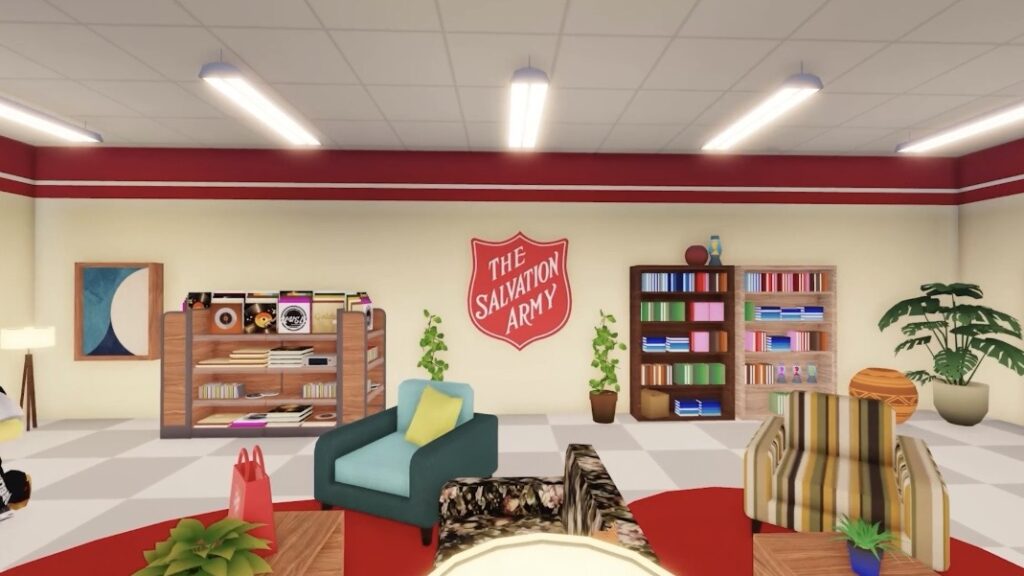
Thrift Score reimagines a Salvation Army Thrift Store as a fully explorable virtual environment. Players can browse digital racks, uncover rare and limited items, and purchase user generated content created in collaboration with popular Roblox influencers. The experience is integrated into existing Roblox games such as Seaboard City and Daycare Party, placing the digital thrift store inside worlds that millions of kids and teens already explore.
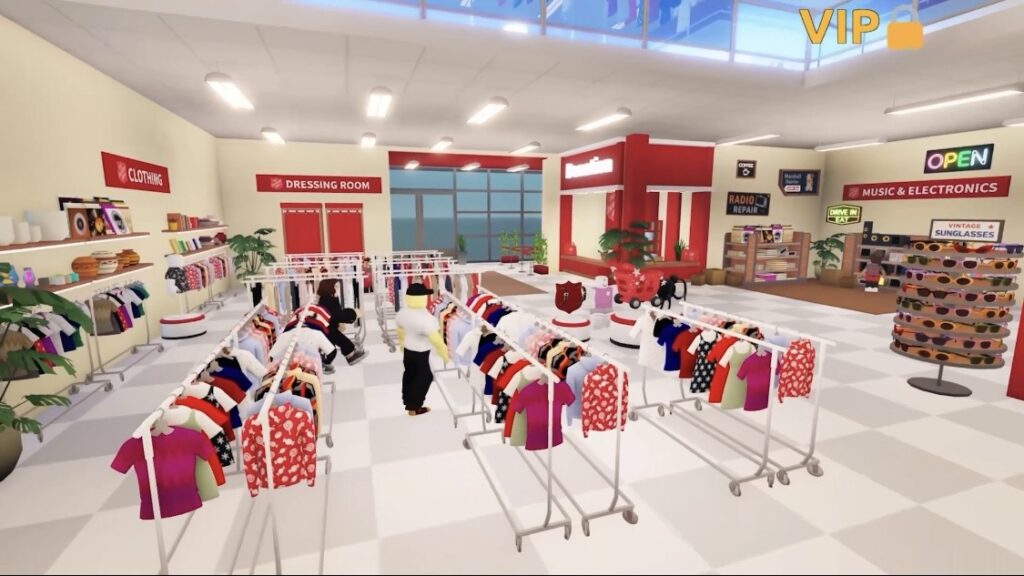
Influencers including PrestonPlayz, BriannaPlayz, and RussoPlays contributed their own thrift inspired virtual items. Preston Arsement said that everything starts with play and that partnering with The Salvation Army allows players to have fun while also participating in something meaningful. He described the combination of play and heart as a way to make a real impact.
Lt. Colonel Mark Nelson, ARC Commander at The Salvation Army, emphasized that thrifting has always been about creativity, individuality, and purpose. He framed the Roblox launch as a natural extension of that spirit into a platform where younger generations already spend their time.
From a pure marketing standpoint, I get it.
Roblox has tens of millions of active users. Those users already spend real money on digital goods for their avatars. If The Salvation Army can capture even a small slice of that spending and funnel it toward rehabilitation, recovery, and community programs, that could translate into real dollars that help real people. Charities need to adapt to where attention is, and attention is increasingly inside games.
But there is still something that does not sit right.
Thrifting in the real world is often about necessity. It can be about dignity during tough times. It can be about survival. Inside Roblox, thrifting becomes an aesthetic choice. It becomes a themed digital drop. The contrast between a virtual rack of pixelated jackets and a family relying on secondhand winter coats is hard to ignore.
There is also a broader cultural question here. We are increasingly turning every physical space into a gamified, monetized digital replica. Restaurants, concerts, retail stores, even churches and charities now feel pressure to build a presence inside virtual platforms. At some point, you have to ask whether the digital version enhances the mission or simply turns it into content.
To be clear, proceeds from Thrift Score are intended to support The Salvation Army’s programs nationwide. If this experiment drives new donations and connects younger audiences to the organization’s work, that is not inherently a bad thing. In fact, it could be a smart long term play.
But symbolism matters.
A thrift store is not just a brand asset. It represents economic reality for a lot of people. Packaging that reality as a playful in game experience for kids who may never set foot in a real thrift shop creates a strange juxtaposition. It risks reducing something rooted in hardship to a quirky digital theme.
Maybe I am being overly sensitive. Maybe this is simply how modern fundraising works. Younger generations live online. If you want to reach them, you go to the platforms they use. Roblox is one of those platforms.
Still, I cannot shake the feeling that this is a step into a very different kind of charity engagement, one where the line between cause and content becomes blurry.
Time will tell whether Thrift Score becomes a meaningful revenue stream or just a short lived novelty. If it drives awareness and funds programs that help people in need, that is a win. But if it turns thrifting into just another cosmetic skin in a digital marketplace, then we should at least be willing to say that it feels off.
For now, I remain cautiously skeptical. The idea of a digital thrift store inside Roblox is creative, no doubt. Whether it truly honors the spirit of what a thrift store represents in the real world is another question entirely.
Support independent tech journalism
NERDS.xyz is independently owned and operated. If you enjoy my coverage of Linux, AI, hardware, cybersecurity, and tech culture, consider supporting the site on Ko-fi.
Support NERDS.xyz