
Microsoft is putting a genuine piece of computer gaming history into the hands of anyone curious enough to explore it. The company announced that Zork I, Zork II, and Zork III are now officially open source under the MIT License, which makes the underlying engineering available for developers, educators, and researchers to study.
Zork first arrived in an era very different from today. It relied entirely on text and the player’s interpretation of what those words represented. While the trilogy predates my gaming life, and I never experienced it firsthand, its technical design has been widely documented and is considered influential in the early days of cross platform game development. The Z-Machine virtual engine played a major role in making the same story files run across multiple platforms, including Apple II and IBM PCs.
A natural question is how Microsoft even owns Zork. The answer goes back decades. Infocom originally created the trilogy and the Z-Machine, but Activision acquired all of it in 1986. That included the source code, the tools, and the development notes.
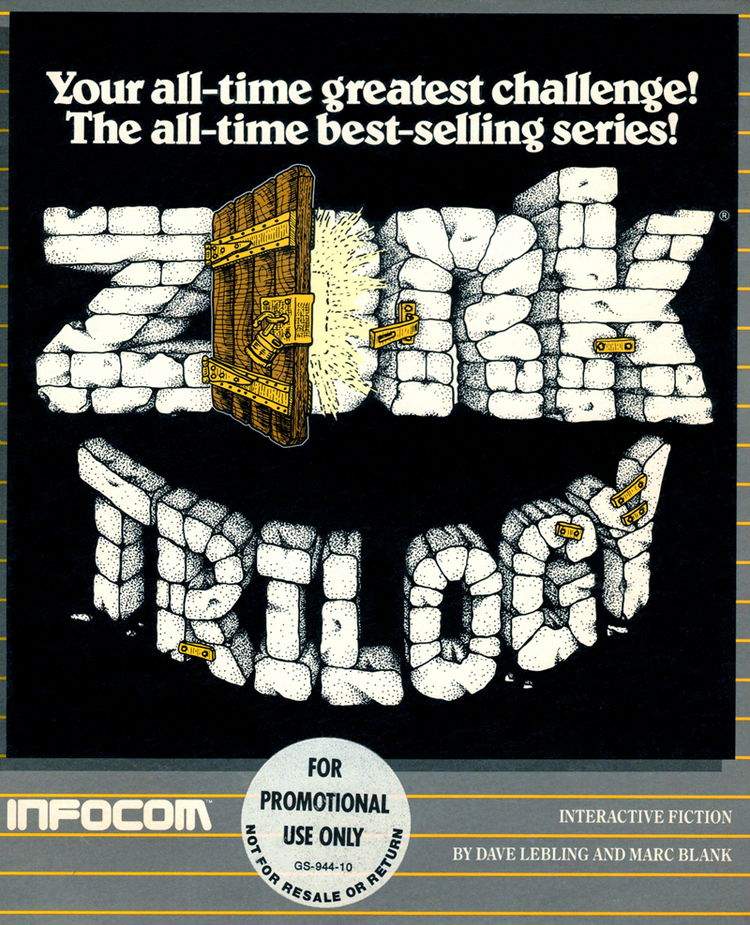
When Microsoft bought Activision Blizzard in 2023 and finalized the deal in 2024, it inherited the full Infocom archive. That gives Microsoft the legal authority to release the code under the MIT License. The trademarks and commercial artwork remain proprietary, but the source code itself is now open for study.
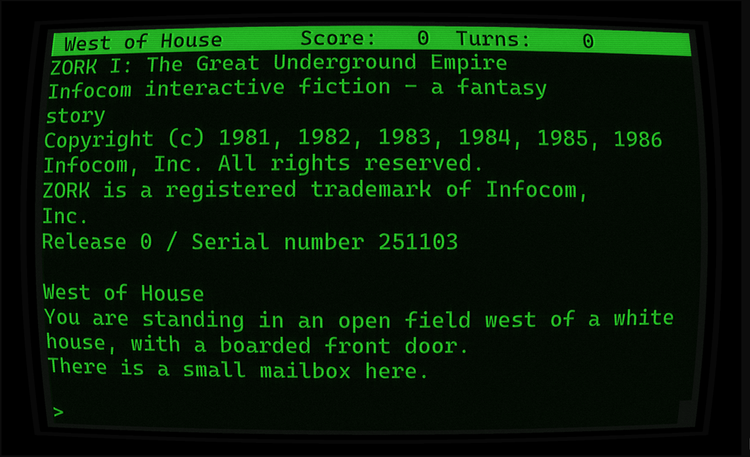
Microsoft is not attempting to recreate the games or modernize them. Instead, it submitted upstream pull requests to the long standing historical repositories maintained by digital archivist Jason Scott. Each repository now includes Zork’s original code, documentation where available, and clear MIT licensing. Everything remains focused on technical preservation. No commercial packaging or branding assets are included.
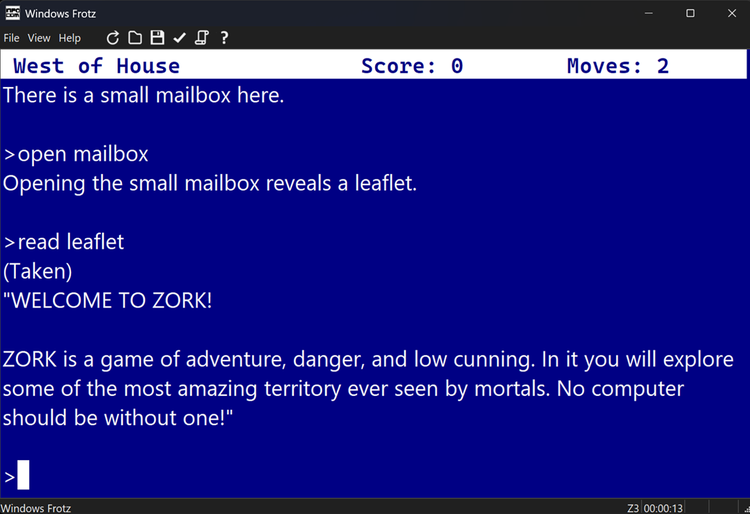
Zork can still be run today through several methods. The Zork Anthology is available on GOG for those who prefer a packaged experience. Developers and hobbyists can also compile the games locally using ZILF, Tara McGrew’s modern toolchain for working with Z-Machine files. ZILF builds Z3 files that can run on many contemporary interpreters, including Windows Frotz and various command line runners.
Microsoft selected the MIT License to keep the code accessible for learning and experimentation. The goal is not to transform Zork into something new. It is to maintain a historically important codebase in a form that students and developers can explore without barriers. Contributors can file issues, share insights, or add small clarifications that help explain the original design choices.
Even for those of us who never played Zork when it was new, the release of this source code represents a meaningful preservation effort. The technical foundations behind these early titles continue to be studied, and opening the repositories ensures that the architecture behind the Z-Machine remains available to future developers and researchers instead of being locked away.
Support independent tech journalism
NERDS.xyz is independently owned and operated. If you enjoy my coverage of Linux, AI, hardware, cybersecurity, and tech culture, consider supporting the site on Ko-fi.
Support NERDS.xyz