

Apple just rolled out one of its most synchronized hardware refreshes ever, and every product has the same brain inside. The new M5 chip now powers the 14-inch MacBook Pro, iPad Pro, and Vision Pro headset. Across the board, the story is about faster on-device AI, sharper graphics, and better efficiency without needing the cloud.

The 14-inch MacBook Pro is now Apple’s most AI-focused laptop yet. Its 10-core GPU adds a Neural Accelerator to each core, giving it up to 3.5x faster AI performance than the previous M4 model. It also gets up to 6x the AI performance of the M1, with 20 percent faster CPU performance and memory bandwidth boosted to 153GB/s.
That translates to faster compiling, higher frame rates, and quicker AI image generation in apps like Draw Things or LM Studio. macOS Tahoe brings Live Activities from iPhone, Live Translation, and a sleek Liquid Glass interface. Battery life now stretches to 24 hours, and Apple promises no performance drop when running unplugged. The M5-powered MacBook Pro starts at $1,599, with preorders open now and availability beginning October 22.
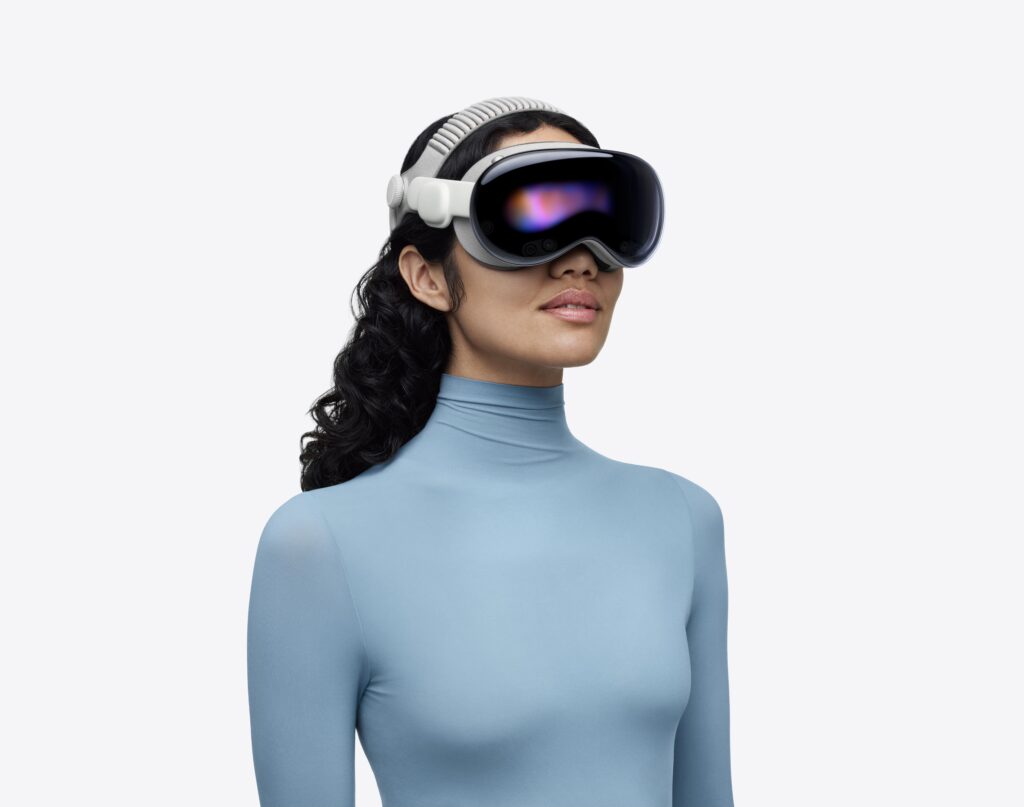
Vision Pro also joins the M5 lineup. It now renders ten percent more pixels, can reach refresh rates up to 120Hz, and features smoother motion when viewing your surroundings. The Dual Knit Band replaces the old strap setup with a softer, 3D-knit dual-strap system that distributes weight more evenly and adds comfort for longer sessions.
visionOS 26 expands the experience with persistent widgets, improved Personas, AI-generated spatial photos, and new Apple Immersive content such as live NBA games and BBC documentaries. The headset’s battery life rises to about two and a half hours for mixed use and up to three hours for video playback. Starting at $3,499, the Vision Pro M5 can be preordered now and hits stores October 22.
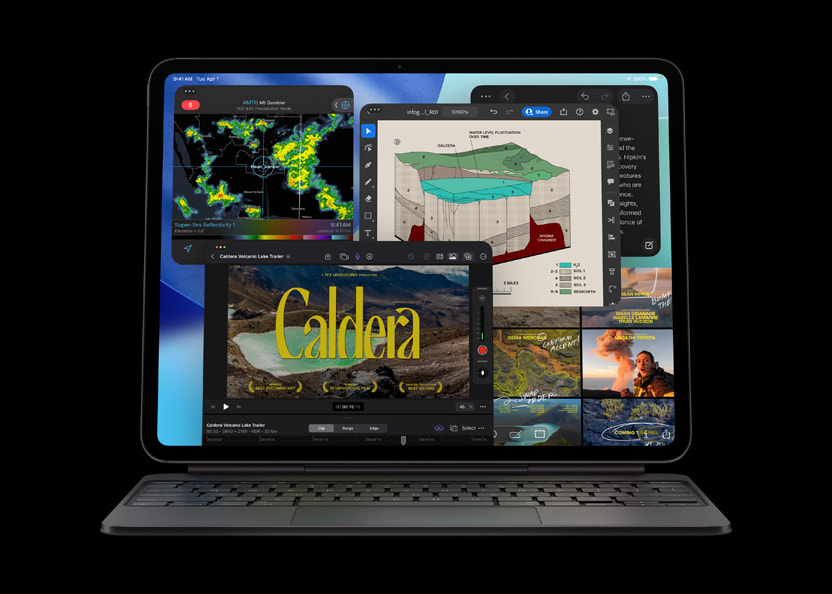
Then there’s the iPad Pro, which now carries the same M5 chip but in an ultra-thin, tandem OLED design. It offers up to 3.5x faster AI performance than the M4 iPad Pro and up to 5.6x faster than M1. New wireless and cellular components make it even more capable on the go.
The N1 chip brings Wi-Fi 7 and Bluetooth 6, while the C1X modem delivers 50 percent faster cellular data. Apple’s Ultra Retina XDR display hits up to 1600 nits of peak brightness, and users can choose a nano-texture glass option to reduce glare. iPadOS 26 brings an all-new windowing system, a redesigned Files app, and built-in Apple Intelligence for private, on-device AI tasks. The 11-inch iPad Pro starts at $999, and the 13-inch begins at $1,299, with the same October 22 release date.
Accessories are also updated. The Magic Keyboard now has an aluminum palm rest and function row, Apple Pencil Pro adds advanced gesture sensitivity, and the 40W Dynamic Power Adapter supports fast charging. Apple’s environmental goals carry through, with recycled aluminum, rare earth elements, and cobalt used across all three devices.
Together, the new MacBook Pro, iPad Pro, and Vision Pro show Apple’s unified push toward on-device AI and energy-efficient performance. Rather than waiting for the cloud, Apple is clearly betting that the future of computing will happen locally, right on your desk, lap, or face.
Support independent tech journalism
NERDS.xyz is independently owned and operated. If you enjoy my coverage of Linux, AI, hardware, cybersecurity, and tech culture, consider supporting the site on Ko-fi.
Support NERDS.xyz
2 thoughts on “Apple’s M5 chip unites Vision Pro, MacBook Pro, and iPad Pro in massive AI performance upgrade”
Comments are closed.