
If you’ve been paying attention to the robotics industry lately, you might think humanity is ready to welcome robot coworkers with open arms. A new study suggests that’s not exactly the case.
According to research from Hexagon, people are generally comfortable with robots handling physical labor, repetitive jobs, and dangerous tasks. But when it comes to caring for people, teaching children, or making important decisions, most still want a human involved.
You know what? That really shouldn’t be surprising.
The study surveyed 9,000 adults and 9,000 children across nine countries. Among adults, 68 percent said they would rather have a robot lift and transport heavy items. More than half preferred robots for carrying deliveries and monitoring hazards too.
That makes sense. Most people probably don’t dream of spending their day moving heavy boxes around a warehouse.
Things changed dramatically when participants were asked about caregiving. Just 12 percent of adults said they would prefer a robot to care for the sick, elderly, or children. Seventy-one percent wanted a human instead.
The message seems pretty clear. People are willing to let robots do the dirty work, but they aren’t eager to hand over the human stuff.
The workplace results tell a similar story. Adults were most comfortable with robots working in factories and warehouses, where 63 percent approved of the idea. Hospitals and clinics received much less support, while classrooms ranked even lower.
What’s interesting is that the study wasn’t entirely negative about robots. Many respondents said they would welcome robotic assistants for practical tasks such as gathering information, handling administrative work, or helping improve workplace safety.
In other words, people seem to want assistants, not replacements.
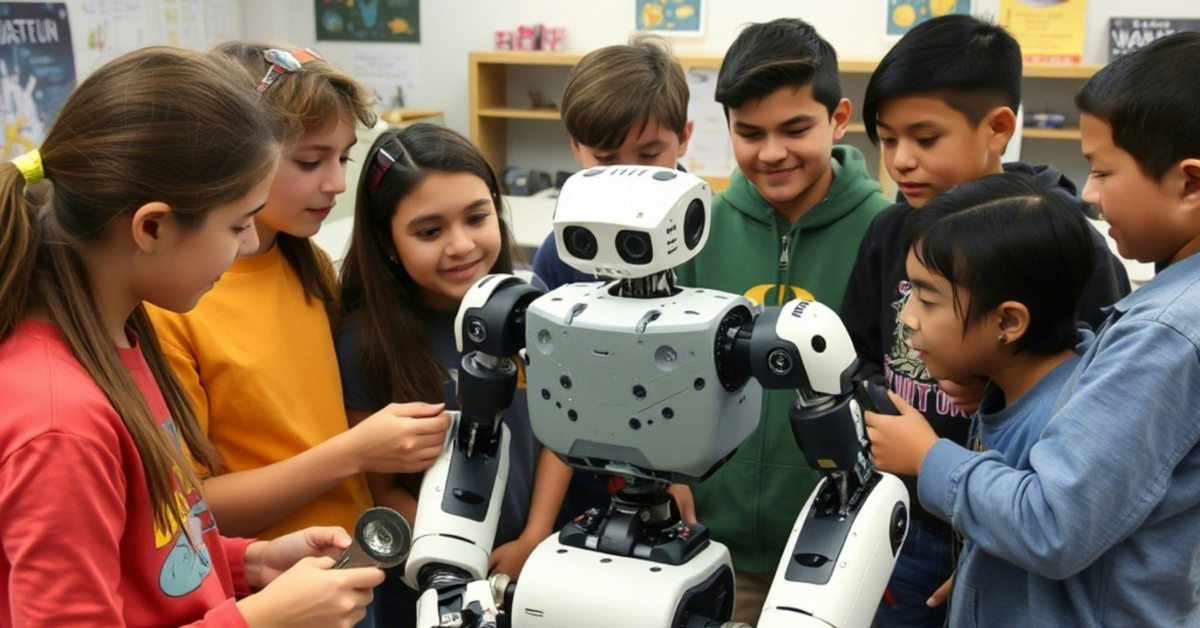
Children appear much more open to the technology than adults. The study found younger participants were far more likely to view robots as coworkers and generally felt more comfortable around them. Whether that’s a sign of things to come or simply a reflection of growing up with AI remains to be seen.
Another interesting finding involved robot design. Participants preferred robots that actually look like machines. More people favored machine-like robots than human-like ones, suggesting that companies building ultra-realistic humanoids may not be solving a problem consumers care about.
Trust remains a major obstacle. Security concerns topped the list of worries, and an overwhelming 86 percent of adults said clear rules governing what robots can and cannot do are essential.
For companies building humanoid robots, the findings offer an important reality check. While headlines often focus on robots replacing workers, many people appear to be drawing a line. They want robots lifting boxes, cleaning floors, and monitoring dangerous environments. They don’t want them replacing nurses, teachers, or caregivers.
At least not yet.
Support independent tech journalism
NERDS.xyz is independently owned and operated. If you enjoy my coverage of Linux, AI, hardware, cybersecurity, and tech culture, consider supporting the site on Ko-fi.
Support NERDS.xyz