
If you’re into fast cars or just how they’re built, this new collaboration is totally worth a look. You see, IBM is working with Dallara to speed up the way high-performance vehicles get designed, and the early numbers are hard to ignore.
Traditionally, engineers lean heavily on computational fluid dynamics to understand airflow. It works, but it’s slow. Even relatively simple simulations can take hours, and full development cycles stretch into days or weeks as teams test different designs. That kind of waiting adds up, especially in racing where iteration is everything.
IBM’s approach is to keep the physics but shortcut the process. It has trained AI models using Dallara’s aerodynamic data so engineers can test ideas much faster. In one case, the companies looked at different rear diffuser configurations on a race car. The traditional method took a few hours. The AI handled it in about 10 seconds and landed on the same general answer.
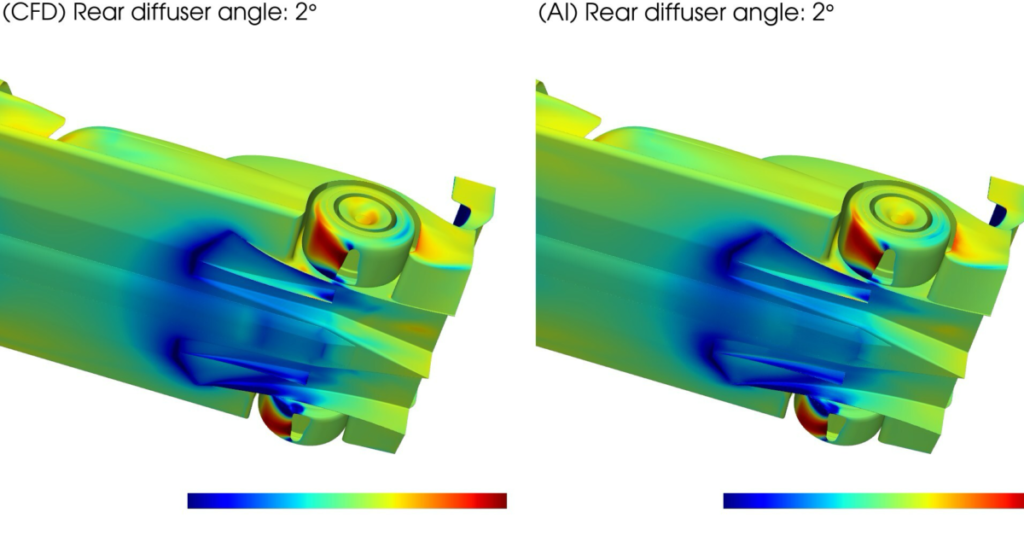
That kind of speed changes the workflow. Instead of carefully choosing a handful of designs to test, engineers can explore a much wider range early on. Then they can fall back to the slower, more detailed simulations once they’ve narrowed things down. It’s not replacing the old tools, just making them easier to use efficiently.
Dallara brings credibility here. It has been building race cars for decades across series like IndyCar and Formula 2, so it knows what works in the real world. That matters because simulation only helps if it lines up with what actually happens on track. So far, the results seem to match closely enough to be useful.
There is also a quantum computing angle, though that feels more like a long-term bet. IBM is exploring how quantum systems might eventually help solve complex aerodynamic problems that are tough for today’s computers. It sounds promising, but it is still early, and there are no guarantees on when that becomes practical.
The interesting part is how this could extend beyond racing. Aerodynamics plays a role in everything from passenger cars to aircraft. Even small improvements in drag can translate into better efficiency at scale. If this approach holds up, it could absolutely influence a lot more than just race cars.
Of course, this is still early work. AI tends to shine in controlled tests, and real-world engineering is rarely that neat. Still, cutting simulation time from hours to seconds is a real shift, not just marketing fluff.
At the end of the day, the goal here seems pretty straightforward. Let engineers try more ideas in less time without throwing away the physics that actually matters. If that works, it could make the design process a lot more flexible, and maybe even a bit more fun for the people doing the work.
If you find this as fascinating as I do, you can read more here.
Support independent tech journalism
NERDS.xyz is independently owned and operated. If you enjoy my coverage of Linux, AI, hardware, cybersecurity, and tech culture, consider supporting the site on Ko-fi.
Support NERDS.xyz