
OpenAI’s new Codex app is being pitched as a command center for AI agents, but there is an obvious question hanging over the launch: why the heck is it macOS only? The open source app promises a cleaner way to supervise multiple coding agents, run long parallel tasks, and automate repetitive work, yet a large portion of the developer world is being asked to sit on the sidelines for now.
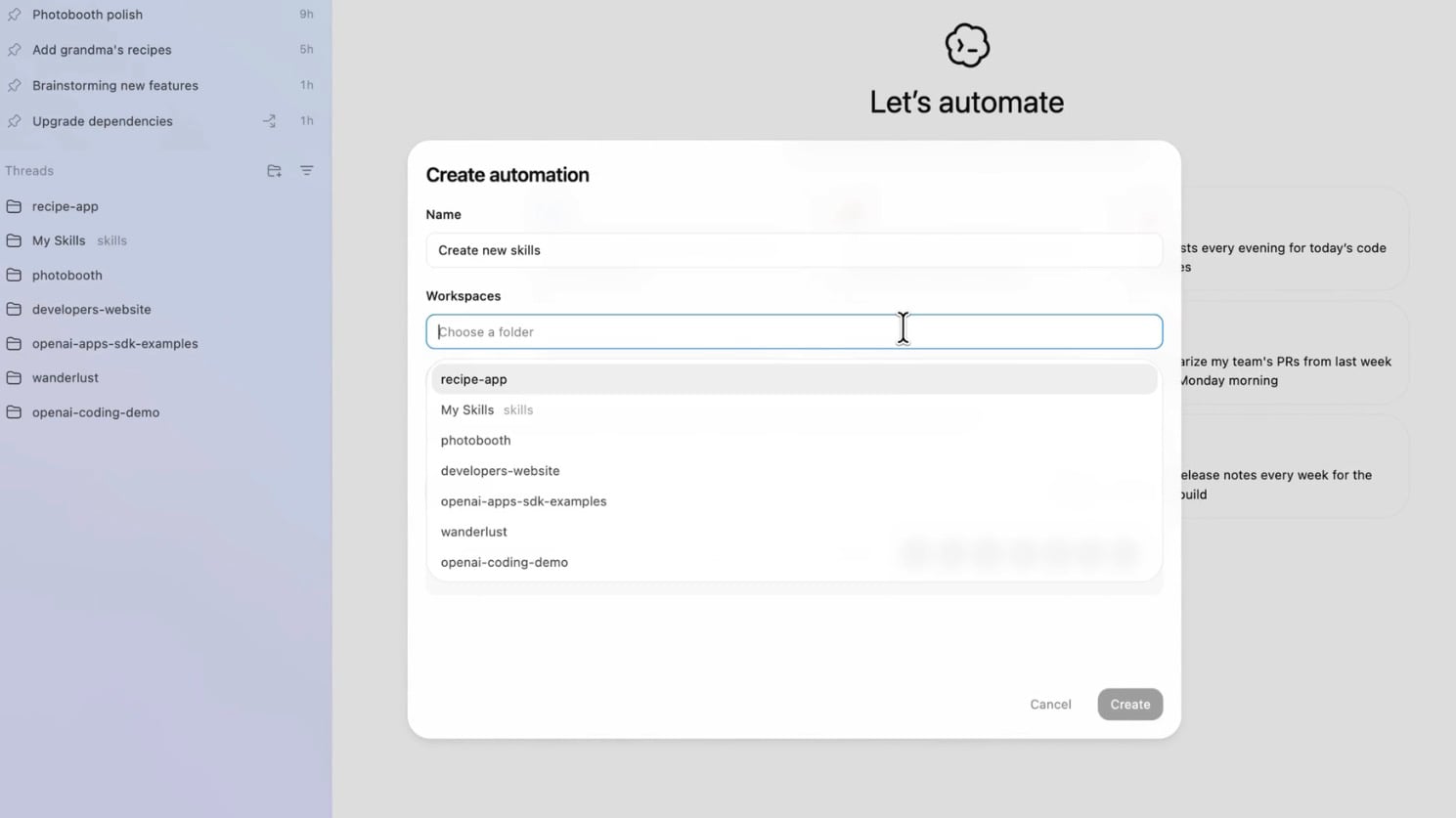
According to OpenAI, Codex has evolved from a simple code writing helper into something closer to a manager for autonomous agents. The macOS app reflects that shift. Instead of living entirely inside an IDE or terminal, Codex now gets its own desktop space where developers can monitor multiple agents, review diffs, comment on changes, and let work continue without constantly babysitting the process. It is clearly designed for people who already trust agents with substantial chunks of real work.
What makes the macOS exclusivity stand out is how cross platform the rest of the Codex ecosystem already is. Codex works in the CLI, in IDE extensions, and in the cloud. Many of the developers most interested in multi agent workflows are on Windows or Linux, especially in enterprise environments and open source projects. Limiting the desktop experience to macOS feels less like a technical necessity and more like a prioritization choice.
OpenAI has not said that macOS offers unique capabilities that made other platforms impractical. The app relies on concepts like isolated worktrees, sandboxed execution, and permissions based access to files and commands, all of which are well understood on Windows and Linux. In that sense, the macOS only launch comes across as an early access release rather than a true platform decision.
There is also a cultural angle here. macOS is popular with individual developers and startups, while Windows and Linux dominate larger teams, enterprise shops, and infrastructure heavy environments. By starting on macOS, OpenAI may be optimizing for fast feedback from solo developers and small teams, even if it leaves broader adoption on hold. That may make sense internally, but it does reinforce the perception that some AI tools are being designed first for a narrow slice of the developer population.
To its credit, OpenAI does say a Windows version is coming. It is also temporarily expanding access by including Codex for ChatGPT Free and Go users and doubling rate limits for paid plans. That suggests the company wants real usage data quickly. Still, without a clear timeline for other platforms, the macOS only label remains a sticking point.
For now, the Codex app looks like a glimpse of where AI assisted development is heading, less typing, more supervising, more automation. The problem is that only macOS users get to explore that future today, while everyone else is left watching demos and waiting for a download link that does not exist yet.
Support independent tech journalism
NERDS.xyz is independently owned and operated. If you enjoy my coverage of Linux, AI, hardware, cybersecurity, and tech culture, consider supporting the site on Ko-fi.
Support NERDS.xyz