For many people, July 4 is about fireworks, burgers, and celebrating independence. For Windows users frustrated with an operating system that seems increasingly determined to make decisions on their behalf, maybe it is also a good time to declare a different kind of independence.
After all, recent versions of Windows have brought no shortage of complaints. Users have watched ads creep into the Start menu and other parts of the operating system. AI features continue appearing whether people asked for them or not. Telemetry concerns never seem to completely disappear from the conversation. And with Windows 10 support now effectively dead, millions of perfectly capable PCs are suddenly being treated as obsolete.
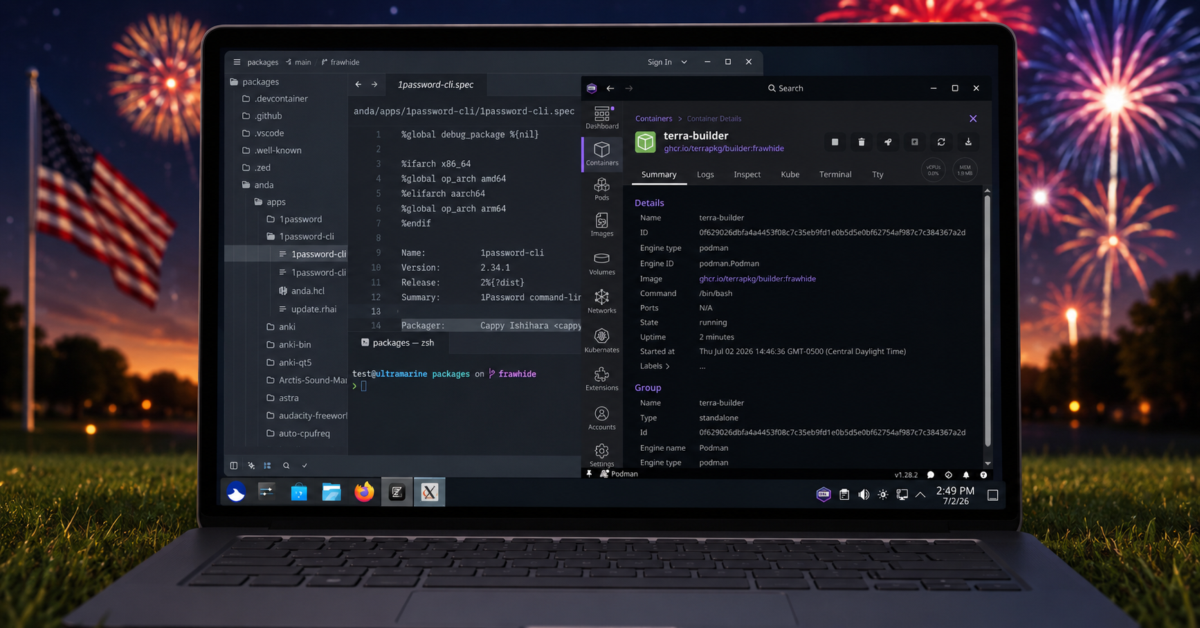
That is why Linux continues attracting people looking for an alternative. The Ultramarine Linux 44 release arrived with updated desktops and a focus on everyday usability. Installation images are available from the project’s download page.
Based on Fedora Linux 44, Ultramarine aims to make Linux easier for everyday users without removing the tools enthusiasts expect. Its value is not a completely different foundation. It is the extra setup and desktop choices layered on top of Fedora.
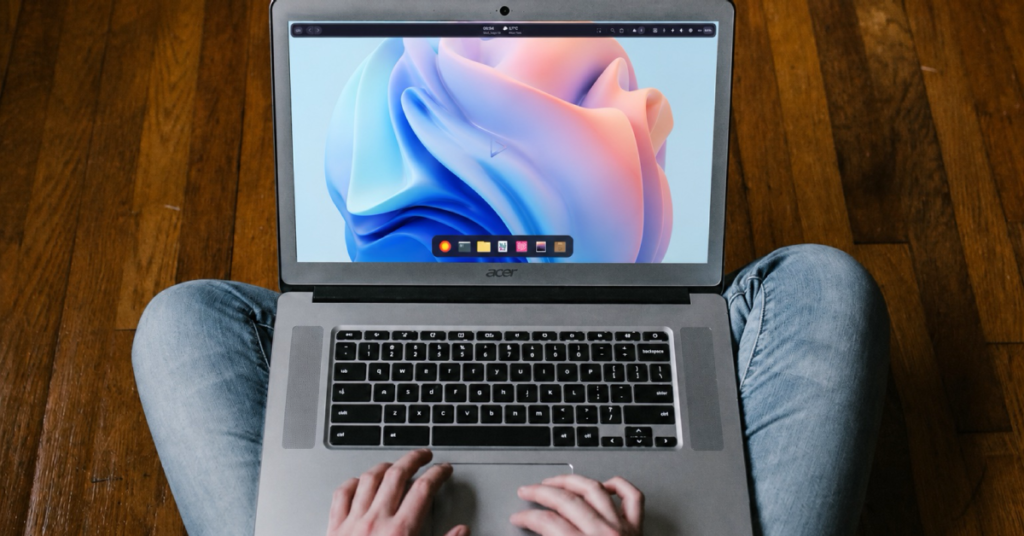
The project’s recommended desktop remains KDE Plasma, which now ships with Plasma 6.7 alongside performance improvements, bug fixes, and the new Union theme engine. Users who prefer GNOME will find some welcome quality-of-life improvements too, including enabled minimize and maximize buttons by default, battery percentages displayed in the panel on laptops, and calculator results appearing directly in overview search.
Perhaps the biggest desktop change is happening with Budgie, which has finally made the move to Wayland. That leaves very few mainstream Linux desktop environments still hanging onto X11 as their primary option.
Not every change will make everyone happy. Ultramarine has dropped Pop Shell from its GNOME edition, citing the lack of ongoing maintenance and limited usage among its community. Users who still want it can install it manually, but the distribution is clearly focused on moving forward rather than carrying abandoned software indefinitely.
The release also introduces a new development model that will allow features to arrive throughout the year instead of waiting for major version upgrades tied to Fedora’s release schedule. That means users should see improvements arrive more frequently rather than in large bursts every six months.
There are also signs that Ultramarine’s ambitions are growing. The distribution is working toward support for Apple Silicon Macs, has become a recommended option for ASUS ROG devices, and plans to expand availability on platforms such as Raspberry Pi and Windows Subsystem for Linux.
Linux distributions often struggle to stand out in a crowded field, but Ultramarine continues carving out its own identity by focusing on polish and practicality instead of trying to reinvent the desktop or overwhelm users with features they never wanted in the first place.
Ultramarine will not replace Windows for everyone. Before switching, users should try the live environment, verify Wi-Fi and graphics support, confirm that required applications have suitable replacements, and back up important files. Readers comparing approaches can also look at Nitrux 6 as another Windows 11 alternative.
The Independence Day framing is fun, but changing operating systems should not be impulsive. Ultramarine 44 makes the Fedora desktop more approachable, and the live environment gives curious users a low-risk way to decide whether it fits their hardware and workflow.
Support independent tech journalism
NERDS.xyz is independently owned and operated. If you enjoy my coverage of Linux, AI, hardware, cybersecurity, and tech culture, consider supporting the site on Ko-fi.
Support NERDS.xyz