
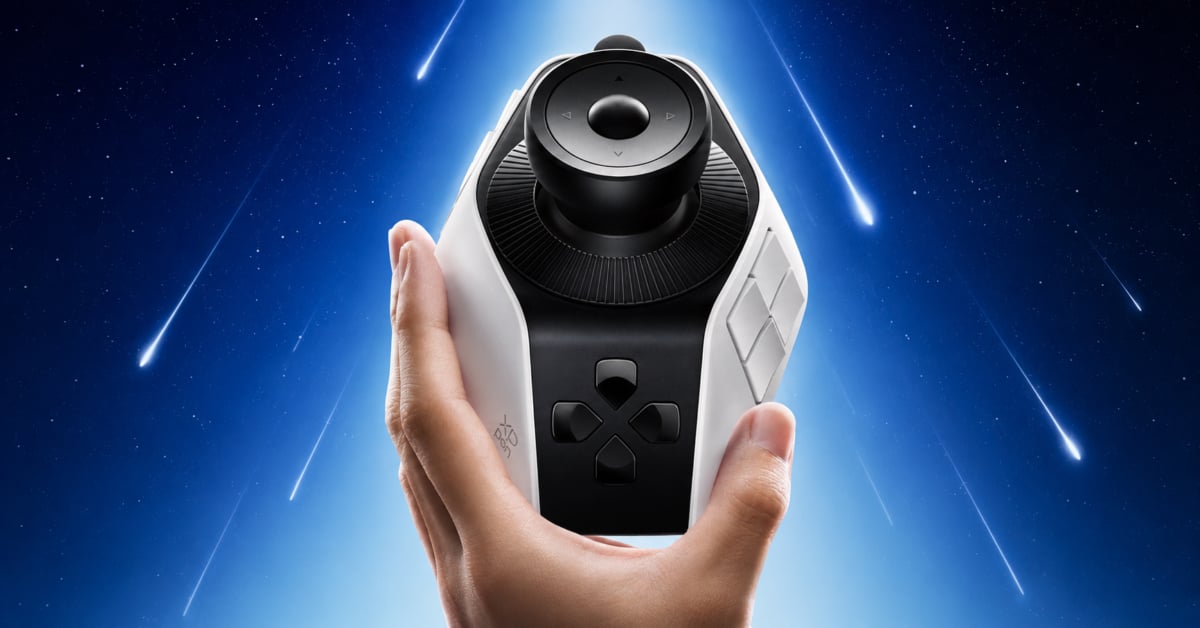
Video editors love gear. Sometimes maybe a little too much. Between custom keyboards, Stream Decks, editing mice, tablets, jog wheels, and mechanical keyboards with color-coded keycaps, it can start to feel like editing a video requires the cockpit of a small airplane. Now, XPPen wants a piece of that growing market with something called the Pilot Pro.
The company, which most folks probably know for drawing tablets and pen displays, has announced its first-ever editing console. The XPPen Pilot Pro is aimed squarely at creators using software like DaVinci Resolve, Adobe Premiere Pro, Photoshop, Lightroom Classic, and Final Cut Pro. The goal is pretty simple: reduce dependence on endless keyboard shortcuts and let editors work faster with one hand planted on a dedicated controller.
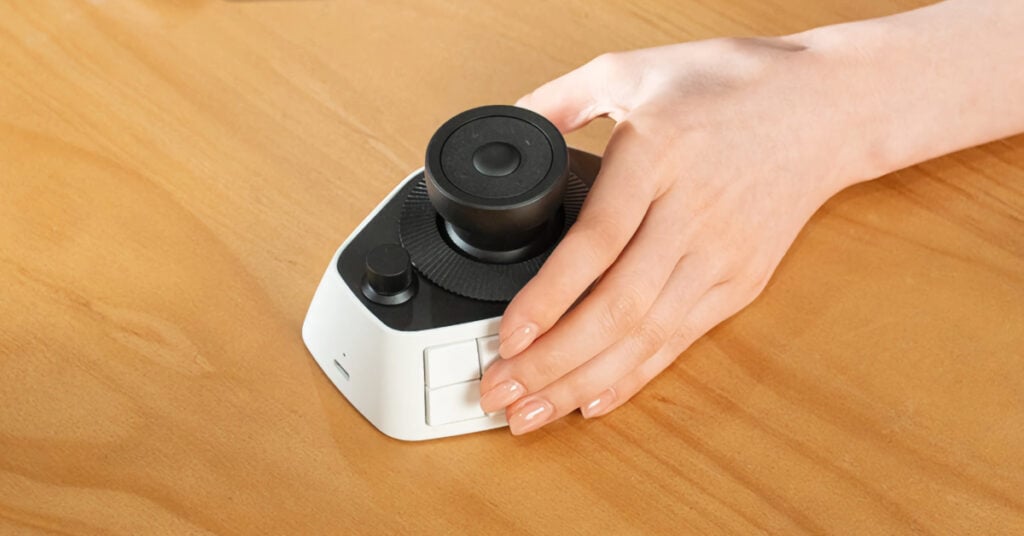
At first glance, the hardware looks like something between a gaming controller and a professional editing surface. The Pilot Pro packs in 16 customizable buttons, three rotary controls, and an all-way joystick. XPPen says the layout is designed for “eyes-free” operation, meaning editors should theoretically be able to make adjustments without constantly looking down at the device.
That part actually makes sense to me. If you edit long enough, muscle memory becomes everything. Reaching for random keyboard shortcuts can interrupt your train of thought, especially during color grading or precision trimming work. Whether this console becomes a must-have tool or just another expensive desk accessory probably depends on how natural those controls feel after a few weeks of real-world use.
The joystick is one of the more unusual features here. According to XPPen, it supports both four-direction and eight-direction navigation for things like clip selection, timeline movement, and even color grading adjustments. Vertical movements can trigger cuts or selections, while horizontal movement can reportedly control playback speed. It sounds ambitious, although folks will likely want hands-on testing before declaring it revolutionary.
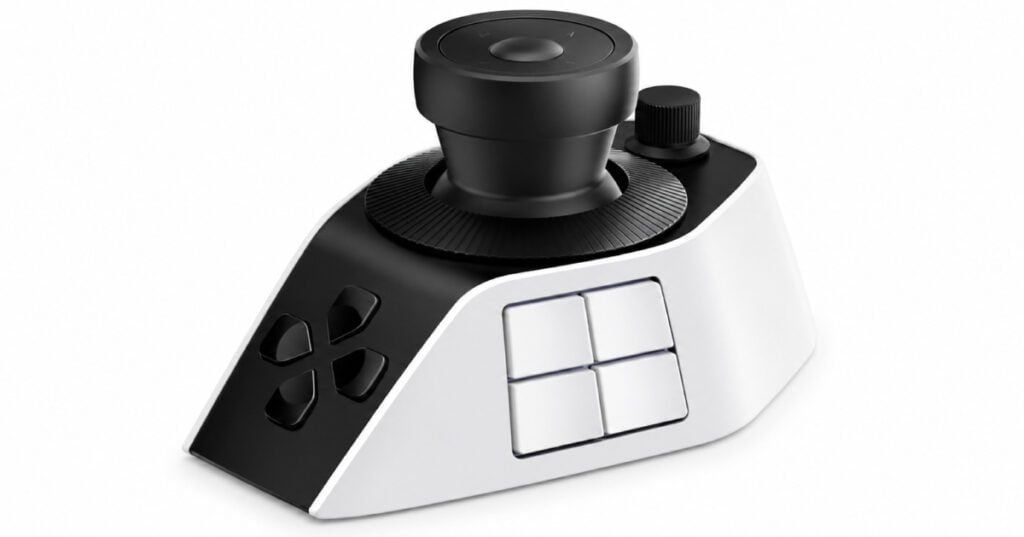
The three rotary controls seem more practical. One is designed for quickly scrubbing through footage, another for frame-by-frame precision work, and the third for timeline zooming. XPPen also says the dials include configurable haptic feedback with different vibration intensities. That might sound gimmicky, but tactile feedback can actually matter quite a bit when editing for hours at a time.
XPPen is also leaning heavily into ergonomics with this product. The Pilot Pro already picked up a GOOD DESIGN AWARD 2025 win, with the company highlighting its left-handed layout and built-in wrist support. Awards are nice for marketing slides, of course, but comfort matters more than flashy buzzwords when you are spending entire afternoons staring at a timeline.
Battery life sounds respectable too. XPPen claims the rechargeable battery can last more than 15 days based on four hours of daily use. The device also supports multiple connection methods for low-latency operation.
What makes this launch interesting is that XPPen is moving beyond digital art hardware into a broader creator workflow category. There is already competition here from companies like TourBox and Logitech, so the market clearly exists. The bigger question is whether editors want yet another device cluttering their desks.
Then again, creative professionals tend to obsess over workflow efficiency. If the Pilot Pro genuinely saves time and reduces repetitive strain, plenty of editors will probably justify the $209.99 asking price pretty quickly. You can buy it here now.
As an Amazon Associate I earn from qualifying purchases. Some links in this article may be affiliate links. If you click one and make a purchase, I may receive a small commission at no extra cost to you. This helps support NERDS.xyz.
Support independent tech journalism
NERDS.xyz is independently owned and operated. If you enjoy my coverage of Linux, AI, hardware, cybersecurity, and tech culture, consider supporting the site on Ko-fi.
Support NERDS.xyz