
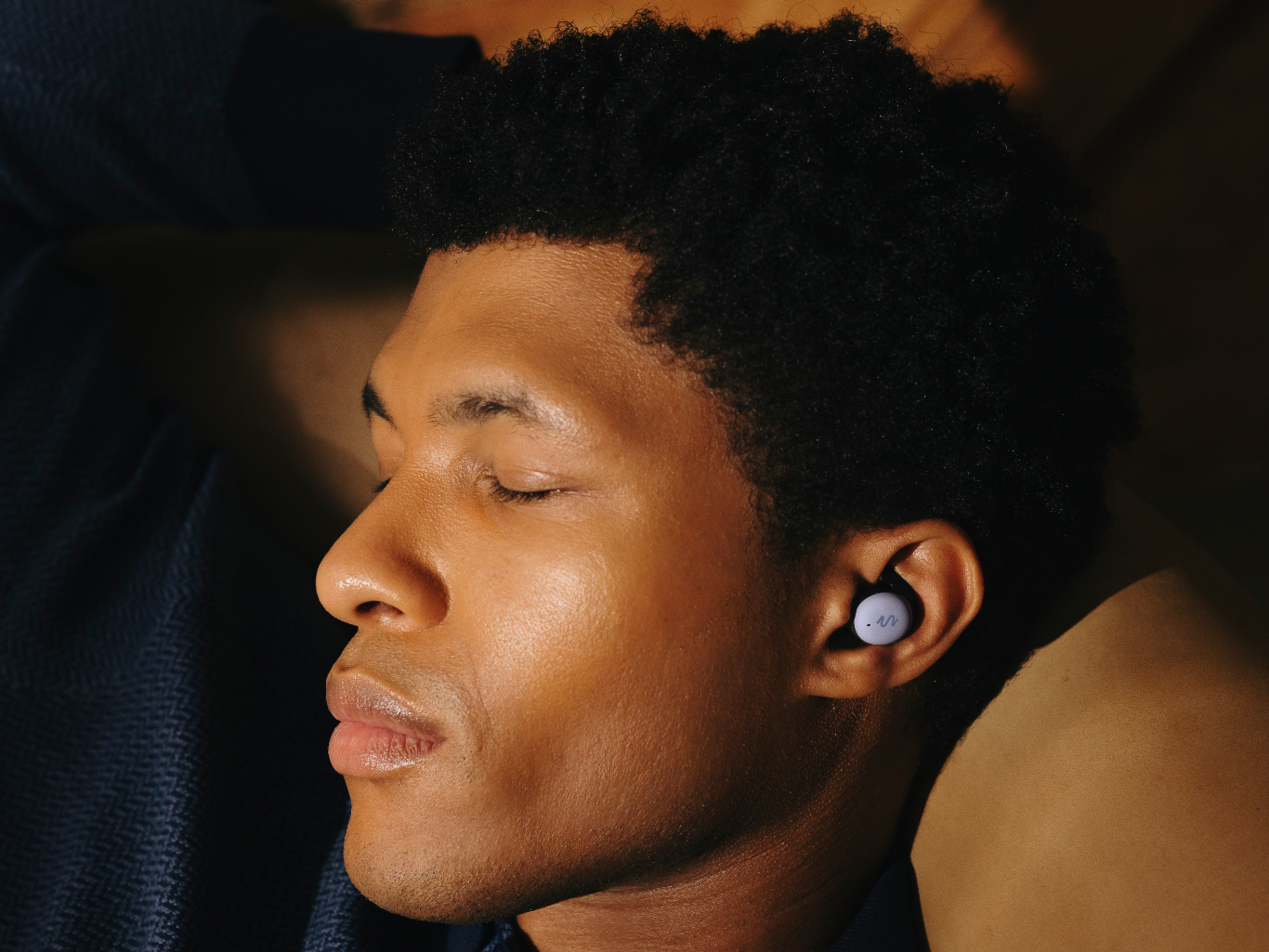
Sleep tech has a habit of overselling small improvements. Most devices watch movement, watch heart rate, then hand you a sleep score that feels scientific but rarely changes how you feel the next day. NextSense is trying to move past that model with Smartbuds, wireless earbuds that claim to read brain activity directly and respond in real time to improve sleep. It is an interesting idea, but one that should be approached with caution.
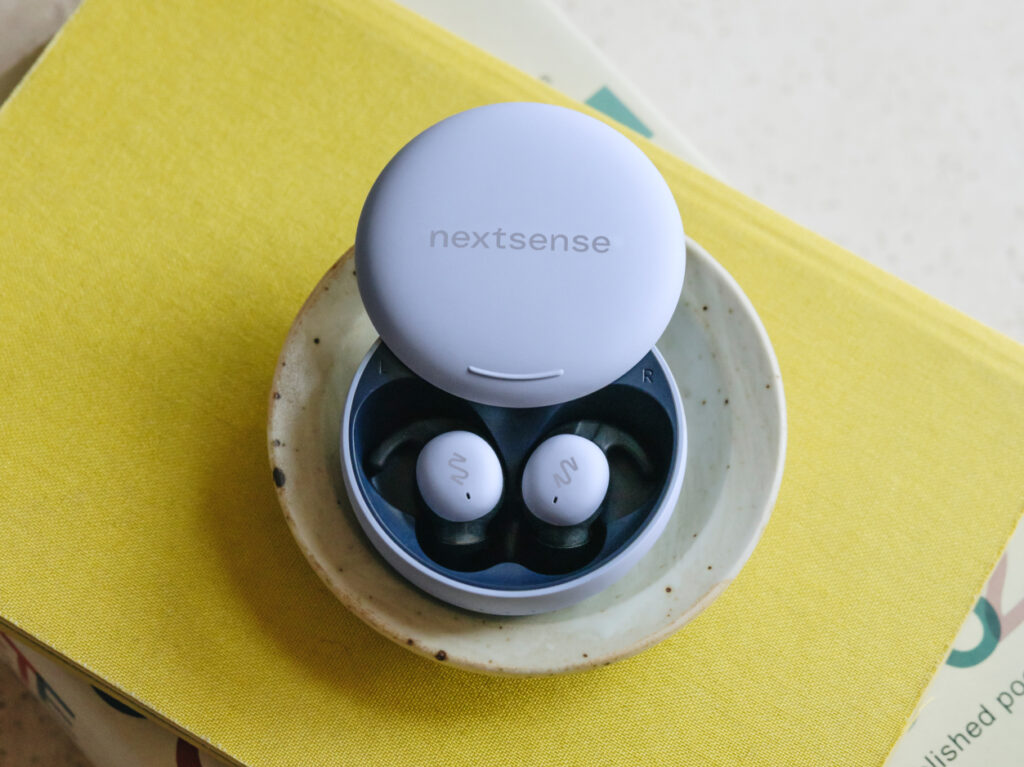
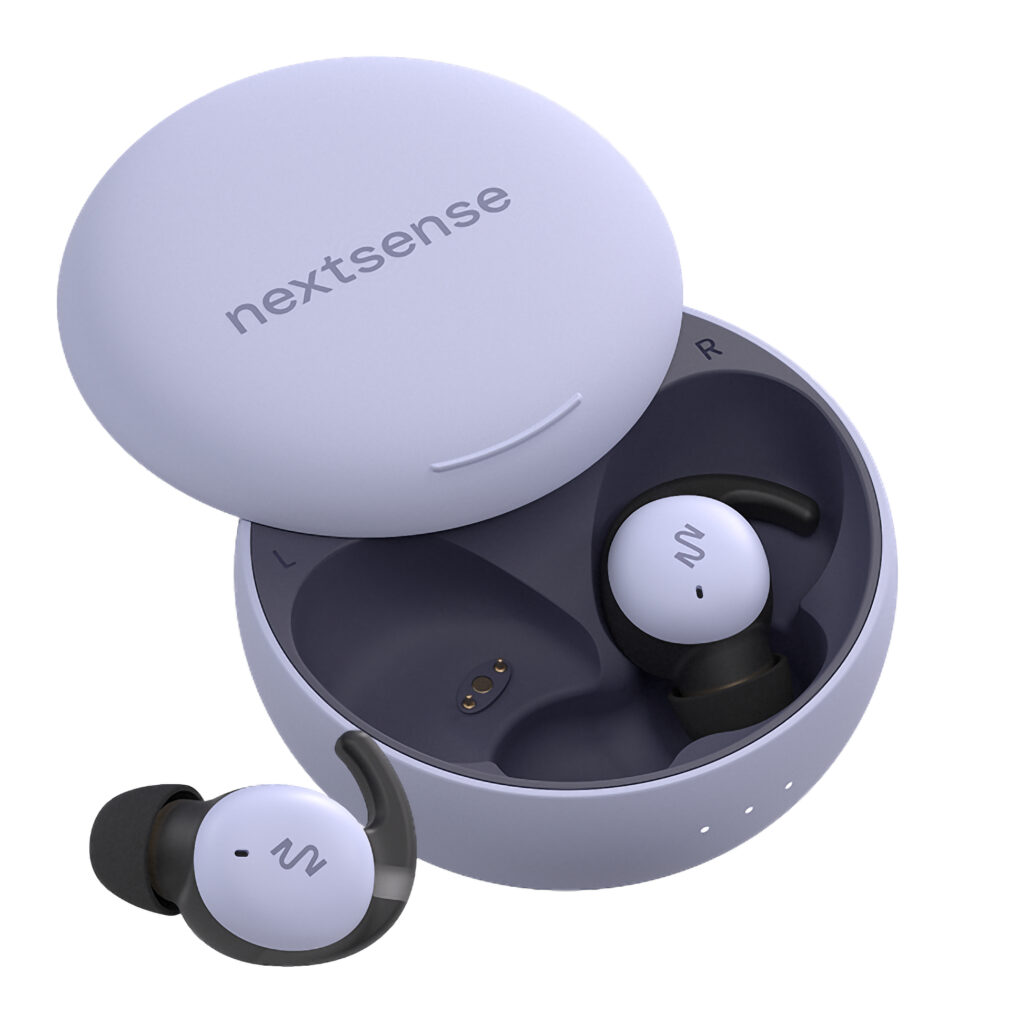
The basic concept is straightforward. Instead of inferring sleep stages from indirect signals, Smartbuds use six EEG sensors embedded in the earbuds to measure brain activity as it happens. When the system detects certain sleep states, it plays carefully timed audio cues meant to reinforce deep sleep. This goes beyond reviewing last night’s data and aims to shape what happens while you are still asleep.
That is a meaningful shift from most consumer sleep trackers. EEG is widely considered the gold standard for measuring brain activity, but it usually lives in labs, hospitals, or bulky headsets that are not practical for everyday use. NextSense believes it can package that technology into something people will actually tolerate wearing all night, without turning sleep into a science experiment.
The company’s backstory fits the pitch neatly. Founder Jonathan Berent left his work at Alphabet X after realizing how much real-time insight consumer tech offers into heart health while leaving the brain mostly ignored. Smartwatches can flag heart rhythm issues instantly, yet the brain remains largely off-limits unless you are in a clinical setting. Smartbuds are positioned as a way to make brain health feel as accessible as heart rate or step counts, starting with sleep.
Early results sound encouraging, but this is also where skepticism should set in. During beta testing across a little more than 100 nights, Smartbuds increased slow-wave activity, and roughly half of participants reported better sleep and improved mornings. That is worth noting, but it is also self-reported feedback from users who knew exactly what the product was designed to do. Sleep research is notoriously difficult, and expectations alone can shape how rested people believe they feel.
There is also the risk of disruption. Sleep is fragile, and even subtle sounds or pressure changes can pull someone out of it. NextSense says the audio stimulation is gentle and adaptive, but whether that holds up for light sleepers, side sleepers, or people already struggling with insomnia is an open question. An earbud that helps one person sink deeper could easily irritate another into waking up.
Complexity is another concern. Plenty of people already feel overwhelmed by apps, subscriptions, and nightly routines. Adding EEG-driven feedback and active intervention to bedtime may feel empowering to some and exhausting to others. At a certain point, the effort to optimize sleep can start undermining it.
Smartbuds retail for $399.99, with a limited early-bird price available here of just $249. There is also a Fit Kit subscription for replacement ear tips and wings, free for three months and then $14.99 per month. On top of that, you need an iPhone 12 or newer running iOS 17 or later. Yup, Android users are seemingly left out of the party.
None of this means Smartbuds are nonsense. EEG-based sleep intervention has real scientific roots, and bringing it into a consumer-friendly form is genuinely intriguing. The real test will be whether that science translates into consistent, noticeable improvements for everyday users over time.
Support independent tech journalism
NERDS.xyz is independently owned and operated. If you enjoy my coverage of Linux, AI, hardware, cybersecurity, and tech culture, consider supporting the site on Ko-fi.
Support NERDS.xyz