

LG is not easing into 2026. It is coming out swinging with the UltraGear OLED GX7, a gaming monitor that feels designed specifically to win spec sheet arguments and grab the attention of competitive PC gamers who think 240Hz is old news.
The UltraGear OLED GX7 is a 26.5 inch OLED monitor with a native 2560 x 1440 resolution and a standard 16:9 aspect ratio. LG is calling it the brightest OLED gaming monitor it has ever shipped, and while OLED brightness is still a sensitive topic, the numbers here are solid. Typical brightness is rated at 335 cd per square meter, with a minimum of 300 cd per square meter, which should help address one of the usual OLED complaints without sacrificing black levels.
Picture quality is classic OLED in the ways that matter. Contrast is rated at 1,500,000 to 1, and color depth hits 1.07 billion colors. LG is also claiming 99.5 percent DCI-P3 coverage using the CIE1976 standard, which puts the GX7 squarely in enthusiast territory not just for gaming, but for anyone who cares about color accuracy and punchy visuals. Viewing angles are a full 178 degrees both horizontally and vertically, so image quality should hold up even when you are not sitting perfectly centered.
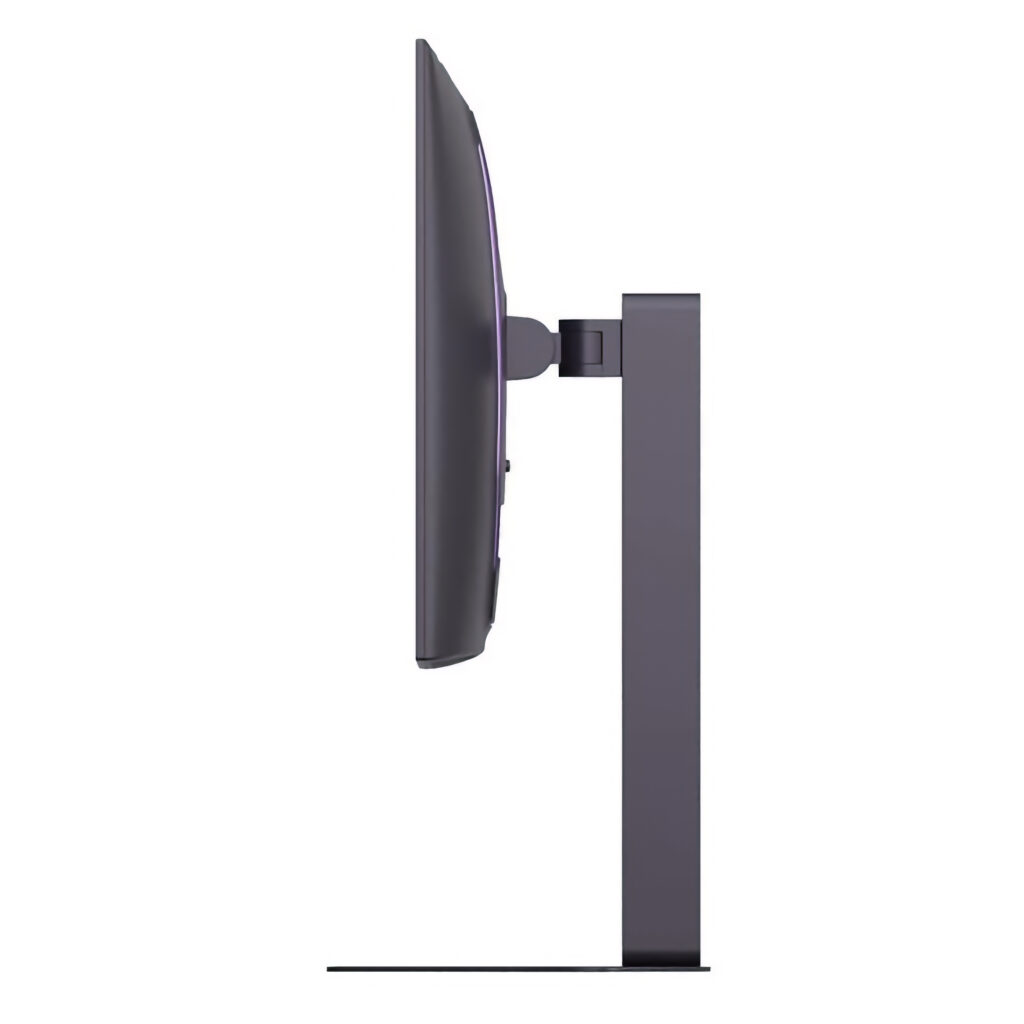
Pixel density lands in a comfortable middle ground. With a pixel pitch of 0.2292 by 0.2292 millimeters, the GX7 should look sharp at typical desk distances without the scaling headaches that sometimes come with higher resolution panels. This feels like a deliberate choice aimed at performance first, not chasing 4K bragging rights.
Speed is where LG is clearly trying to separate the GX7 from everything else on the market. The monitor supports a 540Hz refresh rate at its native QHD resolution, which alone puts it in rare company. LG also offers a Dual Mode option that drops resolution to HD in exchange for an even more extreme 720Hz refresh rate, assuming your graphics hardware can actually keep up.
Response time is rated at 0.02ms gray to gray, which is essentially as close to instantaneous as modern display marketing gets. In practice, this should translate into extremely clean motion with minimal blur, especially in fast paced shooters and competitive esports titles where every frame matters.
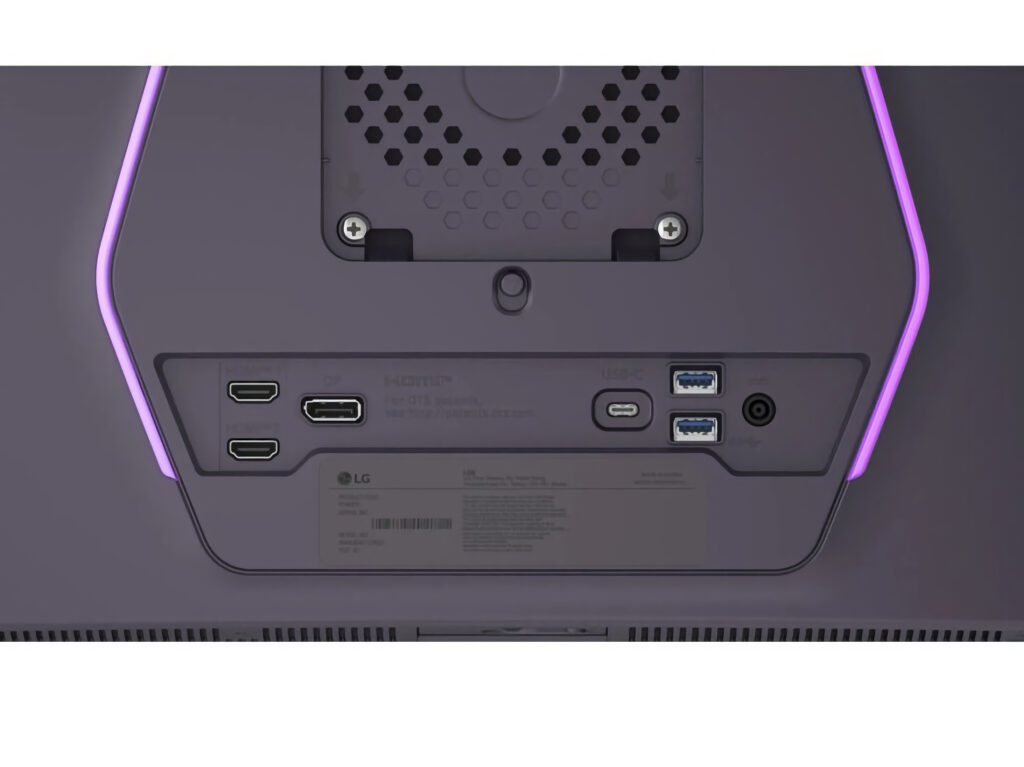
The GX7 sticks with OLED rather than Mini LED or LCD tricks, which means pixel level control, perfect blacks, and none of the haloing issues that can show up on backlit panels. That OLED foundation is what allows LG to chase these refresh rates while still delivering strong contrast and color performance.
Physically, the screen measures 26.5 inches rather than a rounded 27, but that slight difference will be invisible in daily use. It does, however, signal that this panel is tuned very specifically, not just another off the shelf size repackaged for gaming.
The UltraGear OLED GX7 feels like a product aimed at a narrow but vocal audience. Most gamers do not need 540Hz, and almost no one truly needs 720Hz. But that is not really the point. This monitor exists to push the ceiling higher, to prove OLED is not just about deep blacks and pretty colors anymore, and to signal that speed is now just as much part of the OLED story.
LG is pricing the UltraGear OLED GX7 at $999.99 (pre-order here), and early buyers get a free 27 inch FHD 240Hz gaming monitor thrown in, which takes some of the sting out of the price if you were already thinking about a secondary display.
Support independent tech journalism
NERDS.xyz is independently owned and operated. If you enjoy my coverage of Linux, AI, hardware, cybersecurity, and tech culture, consider supporting the site on Ko-fi.
Support NERDS.xyz