

Audeze is back with a follow up to one of the most talked about gaming headsets of the last few years. The company has officially unveiled Maxwell 2, and it is not a light refresh. This is a ground up rethink of what a premium wireless gaming headset should be, aimed squarely at competitive players and immersion chasers who care as much about sound quality as they do about comfort and battery life.
The original Maxwell earned a reputation for doing something most gaming headsets fail at. You see, it delivered genuinely good audio without feeling like a compromise for wireless convenience. Maxwell 2 tries to push that idea even further. Audeze says every major component has been refined, from the drivers to the headband to the microphone system.
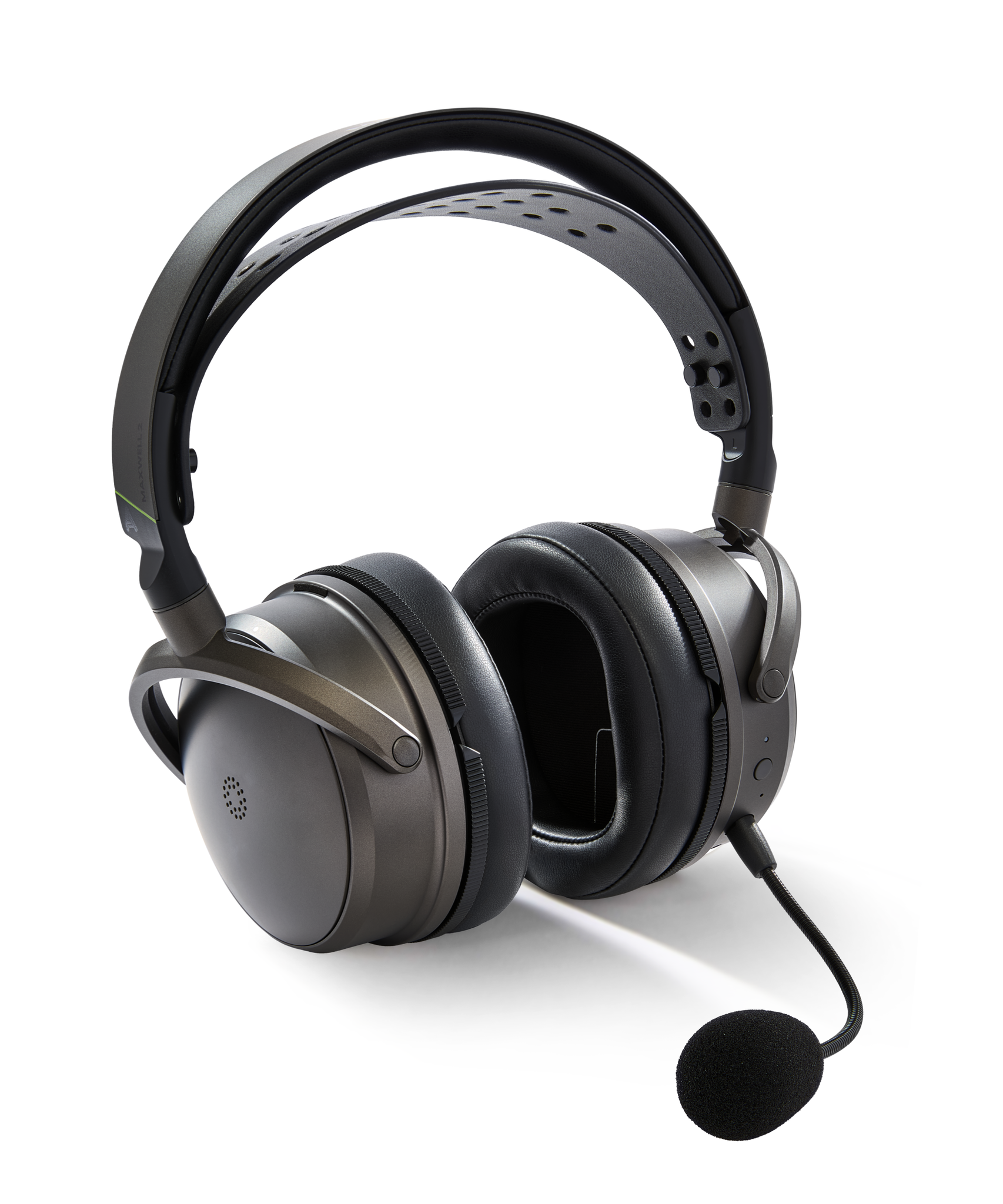
At the center of the upgrade is the company’s new SLAM technology. This is a spatial audio focused approach that Audeze first introduced in its high end CRBN2 electrostatic headphones. In Maxwell 2, SLAM is paired with massive 90mm planar magnetic drivers, Fluxor magnets, and Fazor waveguides. The result is a claimed frequency range from 10Hz to 50kHz, which is far beyond what most gaming headsets even attempt. In practical terms, that should translate to clearer positional audio, stronger bass impact, and less distortion when things get chaotic on screen.
For gamers, positional accuracy matters more than raw specs, and Audeze is clearly leaning into that. Footsteps, reloads, and subtle environmental cues are meant to stand out without sounding harsh or artificial. At the same time, explosions and cinematic moments are supposed to feel heavier and more physical. If the original Maxwell was already known for sounding more like real headphones than a typical gaming headset, Maxwell 2 seems designed to widen that gap.
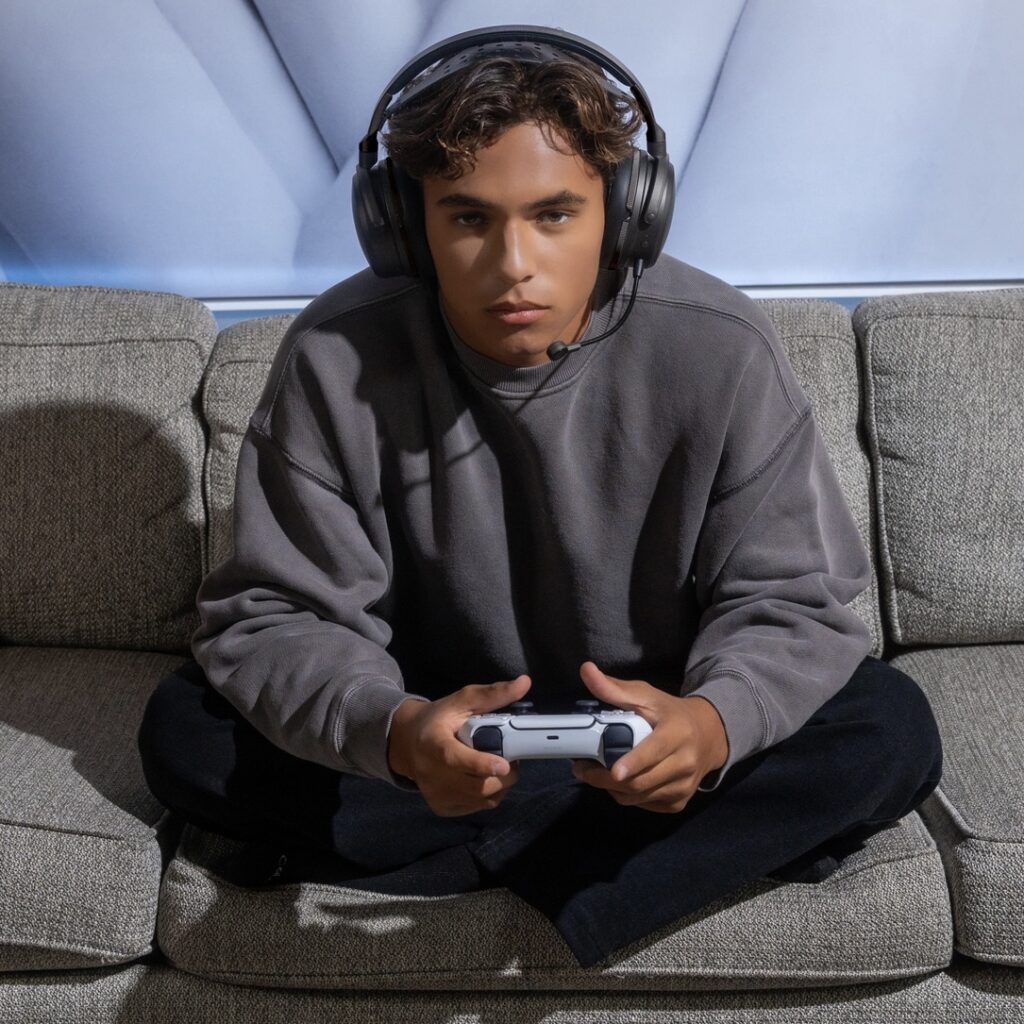
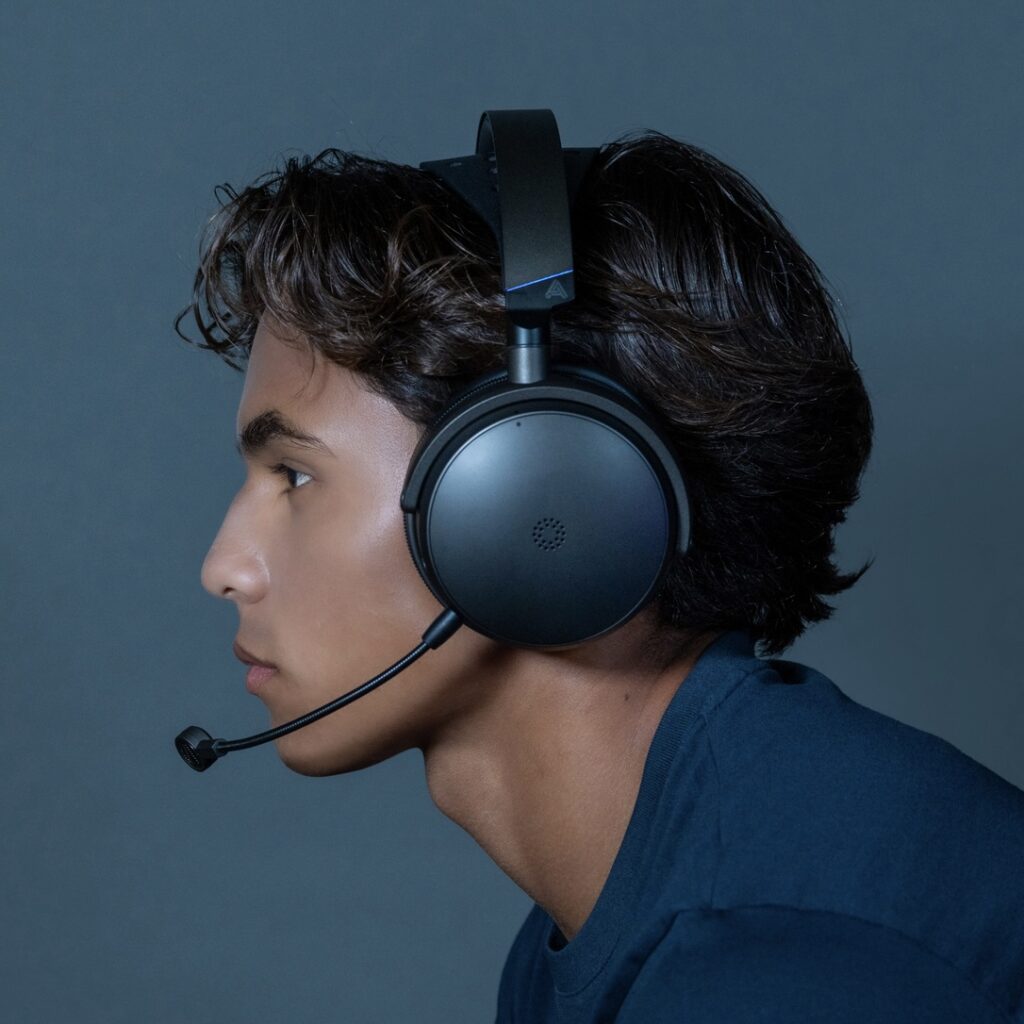
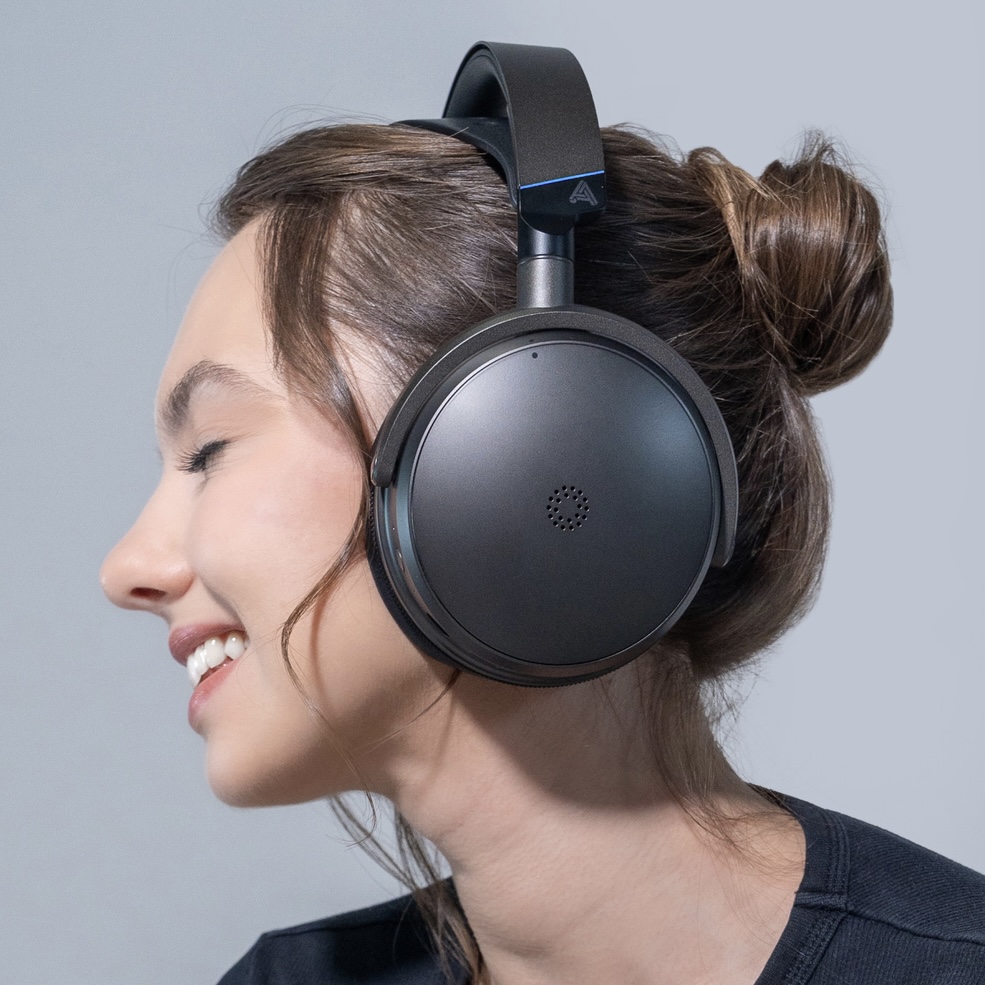
Comfort is another area that has been reworked. The new suspension strap is wider, softer, and ventilated, which should help during long sessions. The earcups have been redesigned to provide more space around the ears while keeping the closed back seal intact. Audeze also switched to a magnetic earpad attachment system, making pad swaps much easier than before. That may sound minor, but anyone who has worn a headset for hours at a time knows how important fit and heat management can be.
Communication gets a notable boost as well. Maxwell 2 uses an upgraded AI powered noise canceling microphone system with the latest version of Audeze’s FILTER AI processing. Bandwidth has been doubled, and the removable hypercardioid boom mic is designed to cut out background noise more aggressively. The goal is simple. Your teammates should hear your voice, not your keyboard, fans, or whatever else is happening in the room.
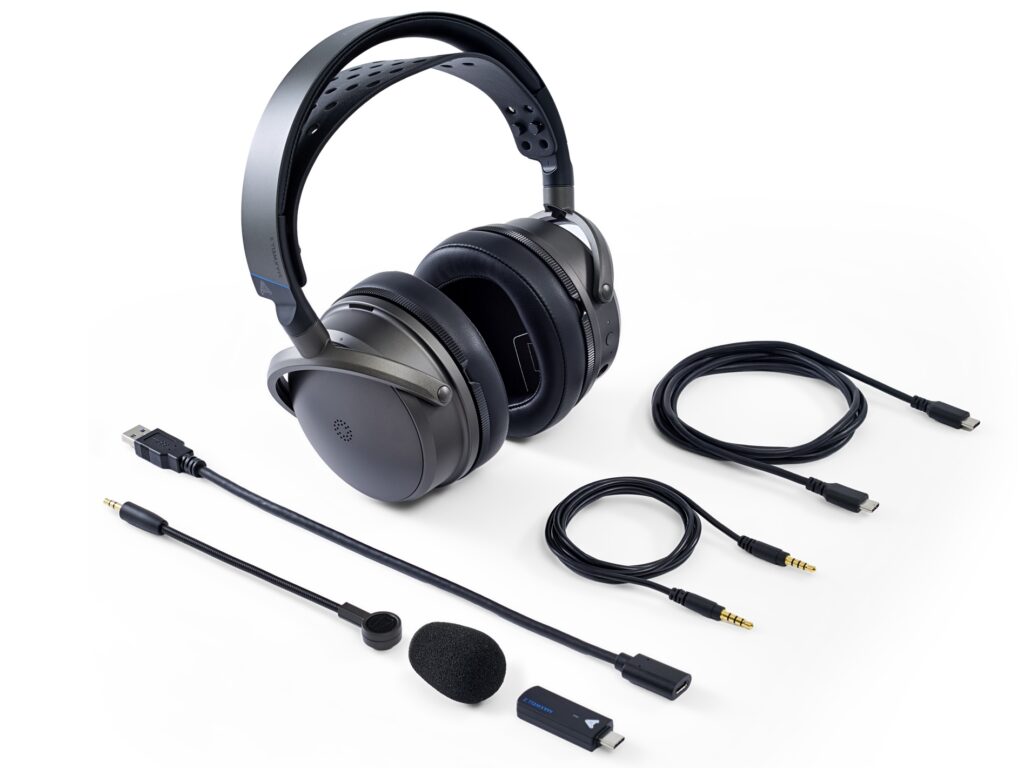
Wireless performance is clearly a priority. Maxwell 2 includes an ultra low latency USB C dongle for gaming on PC and consoles, along with Bluetooth 5.3 support that includes LE Audio and LDAC. That makes it easy to jump between a console, a PC, and a phone without constantly re pairing. Battery life is another strong point. Audeze claims over 80 hours of wireless use at typical listening levels, which puts Maxwell 2 well ahead of most competitors. USB C fast charging helps minimize downtime when the battery does eventually run low.
Audeze is also rolling out a brand new companion app alongside Maxwell 2. The redesigned app focuses on speed and usability, with expanded customization options. Interestingly, the new app also supports the original Maxwell, which should be welcome news for existing owners. It is available on Windows, macOS, iOS, and Android.
Maxwell 2 will be sold in separate PlayStation and Xbox versions, with both models also supporting Windows, macOS, Android, iOS, and Nintendo Switch. The PlayStation version is priced at $329, while the Xbox version comes in at $349.
Support independent tech journalism
NERDS.xyz is independently owned and operated. If you enjoy my coverage of Linux, AI, hardware, cybersecurity, and tech culture, consider supporting the site on Ko-fi.
Support NERDS.xyz