

Some laptops try to win attention with gimmicks and RGB lights. The StarBook Horizon skips the circus and brings the focus back to something that has been missing in mainstream portable computers: ownership, control and privacy. The kind of stuff that should never have gone away in the first place.
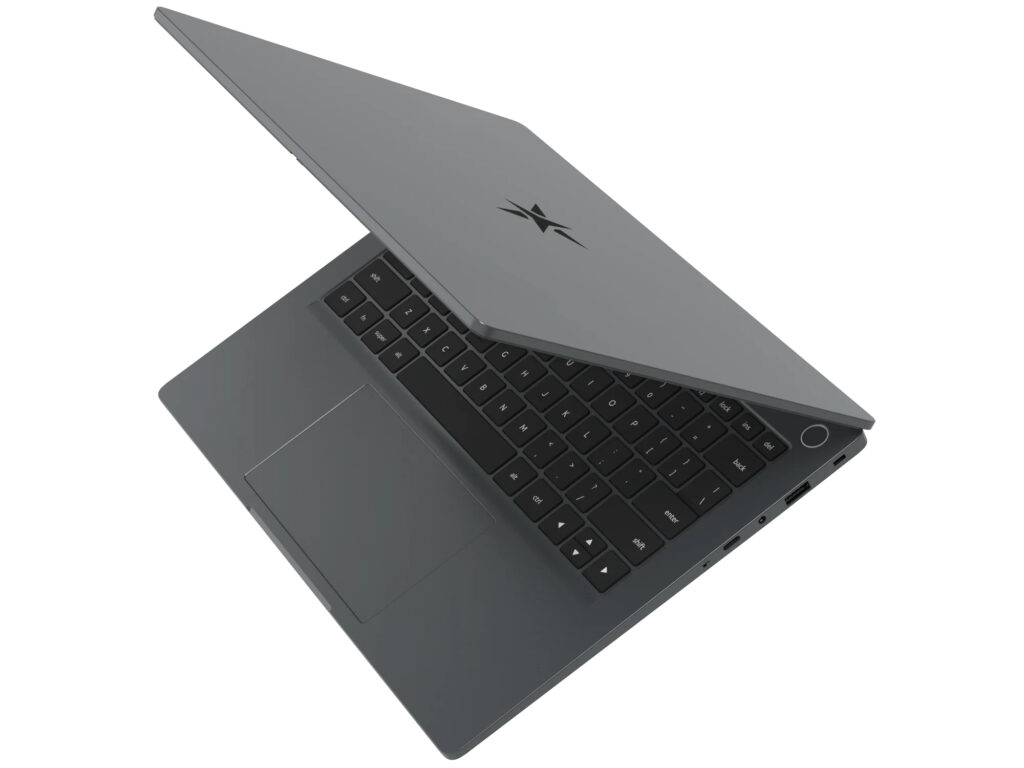
Star Labs starts with a chassis carved from Type II anodised 6061 aluminium. The Pantone 443 finish is sand blasted and looks intentionally muted, not flashy. It hides fingerprints and wear so the thing looks the same after months of backpack abuse. CNC machining keeps everything tight and solid and the whole body opens with a simple PH0 screwdriver. Inside you can swap storage, replace the battery and service components with normal tools. No glue. No hidden clips. No tricks.
The display sticks with a 13.4-inch 3:2 layout which feels instantly more useful than a long wide panel. You see more vertical space whether you are touching up code in VS Code or scrolling news feeds. A 90Hz refresh rate adds fluidity and the IPS panel hits 500cd/m² which makes outdoor use realistic. The panel uses 8-bit plus 2-FRC so gradients look smooth. Star Labs even fits a privacy filter during assembly which is ideal for planes, buses and anywhere nosey neighbors lurk.
Under the hood the Horizon spec lands right in the sweet spot for developers, writers and everyday computing. It uses Intel’s Core i3-N305 which has eight efficient cores and runs quietly without the heat footprint of bigger silicon. It pairs with 32GB LPDDR5 which avoids the memory bottlenecks seen in cheaper machines. You also get up to 2TB NVMe storage for games, VMs, ISOs and whatever else Linux life demands. Nothing here feels compromised.
Where the Horizon gets fun is when you pick your operating system. Star Labs ships with a massive menu, including Ubuntu 24.04, Qubes 4.2.4, elementary OS 8.1, Linux Mint 22.1 in Cinnamon, MATE or XFCE editions, Manjaro 25 in XFCE, GNOME or Plasma and MX Linux in XFCE or KDE. Zorin OS 18 Core and Pro are options too if you prefer a layout closer to Windows.
You can even go with Windows 11 Home or Pro if you must. That variety makes it clear who Star Labs wants as customers: people who choose their software and are not stuck with whatever a manufacturer preloads. You can also select None and install Arch, Fedora, NixOS or anything else that suits your inner tinkerer.
The hardware privacy features remain the star of the show. A physical kill switch cuts Wi-Fi and Bluetooth power completely and forces the radios to shut down at the circuit level. The operating system can see that they are off and cannot override it. There is also a sliding webcam shutter built into the frame that blocks the lens mechanically. No software toggles pretending to disable cameras. Just hardware blocking light.
Booting is handled by coreboot which separates the Horizon from the entire mainstream laptop market. Instead of relying on a sealed firmware blob, the firmware is open source, transparent and configurable. Secure Boot, TPM 2.0, Measured Boot, BIOS Lock and memory encryption are supported once your distribution needs them. Star Labs disables the Intel Management Engine as well, removing a lingering cloud of mystery that hangs over most consumer laptops.
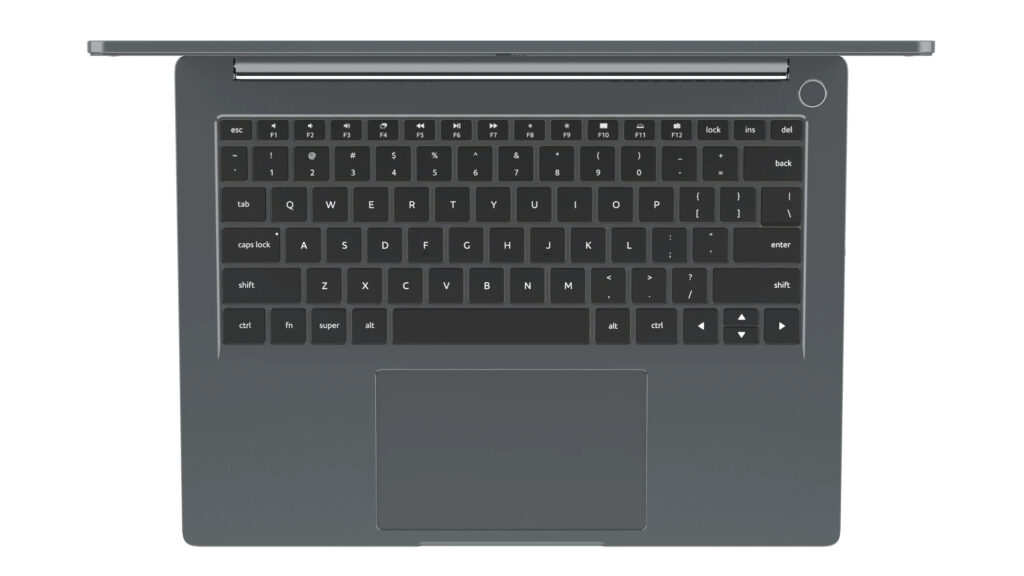
Cooling profiles keep you in charge. Quiet, Balanced and Performance are available and you can disable the fan entirely when silence matters. The stereo speakers and dual digital mics do the job and the glass trackpad feels smooth and accurate. A haptic trackpad upgrade is coming early next year which should wipe out mechanical parts entirely.
The Horizon ships ready for real work. It supports Linux kernels 6.2 and newer along with Windows 11 if necessary. The box includes a power adapter, regional plug, sleeve, cable, cleaning cloth and quick start guide. A one-year warranty is standard.
With pricing starting around $1,058 (available here) it is not the cheapest laptop in the aisle, but it feels like one of the few that respects your role as the owner. It is repairable, open source, privacy first and loosely opinionated instead of chasing benchmark trophies. If you want a Linux friendly system that works for you instead of controlling you, the StarBook Horizon belongs on your shortlist.
