
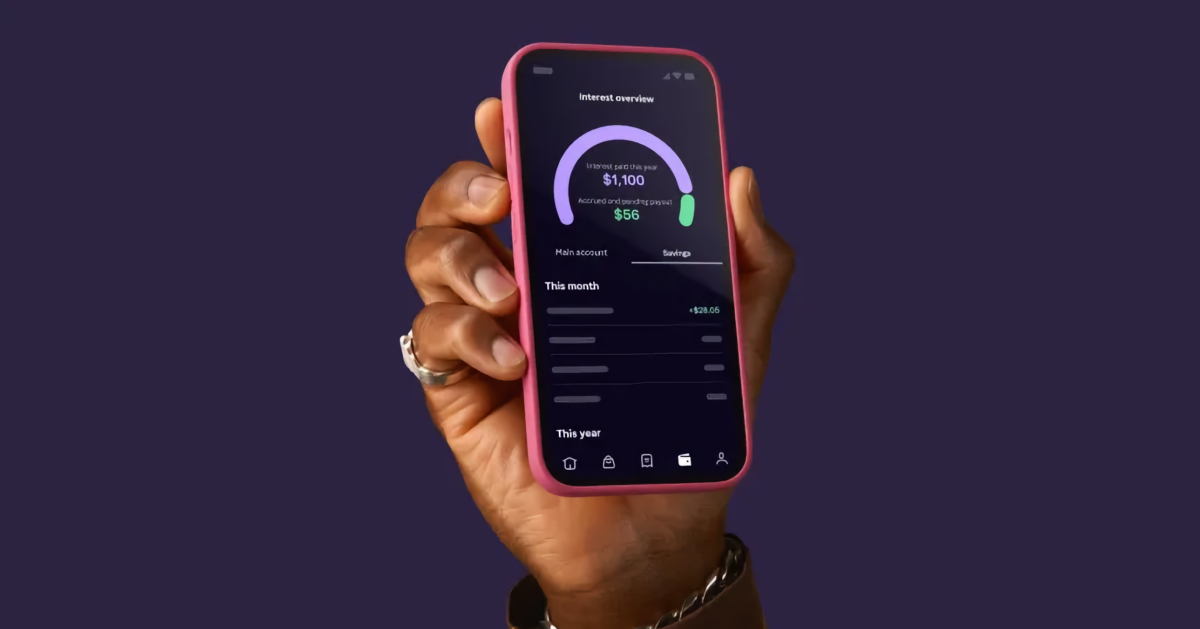
Klarna is no longer content being just another buy now pay later company. The fintech giant announced today that it is launching FDIC-insured savings accounts in the United States, marking yet another step in its effort to become a much broader financial platform.
The new Klarna Savings accounts are available directly inside the Klarna app and come with features consumers have come to expect from online banks, including no monthly fees, no minimum deposit requirements, scheduled transfers, direct deposit support, savings goals, and automatic round-ups. Deposits are held by WebBank, Member FDIC.
Klarna says accounts can earn more than 3 percent APY, though there are some caveats buried in the fine print. The boosted rate applies only to qualifying members and only on balances up to $50,000. Anything beyond that earns a lower base rate.
Still, the launch is notable because it shows how aggressively Klarna is trying to evolve beyond installment payments and shopping tools. The company already offers a debit-style Klarna Card and balance features in the app. Adding savings accounts pushes it further into territory traditionally dominated by banks.
It is admittedly a little strange seeing a company best known for helping consumers split purchases into installments suddenly positioning itself as a destination for responsible saving. But that tension is also what makes this move interesting.
Klarna clearly believes consumers increasingly want a single app for managing everyday financial life. Instead of logging into separate apps for spending, budgeting, saving, and payments, the company wants users staying entirely within the Klarna ecosystem.
According to Klarna, consumers in Europe have already deposited more than $12 billion into savings products across eleven markets. The U.S. rollout appears to be an attempt to replicate that momentum here.
The timing also makes sense. Traditional banks continue offering laughably low savings rates in many cases, while younger consumers have become far more comfortable trusting fintech brands with their money. Whether that trust is deserved is another conversation entirely, but the shift is happening regardless.
What Klarna is building increasingly resembles the kind of financial “super app” strategy that tech companies have been chasing for years. The goal is obvious: if consumers already use Klarna while shopping, why not also handle their savings, deposits, and day-to-day banking activity too?
The challenge for Klarna will be convincing consumers there is a compelling reason to move savings into its ecosystem when competing high-yield accounts often offer better returns. A 3.28 percent APY is decent, but it is hardly market-leading in 2026.
Even so, this launch feels less about interest rates and more about identity. Klarna no longer wants to be seen as merely a buy now pay later app. It wants to become a central financial hub for consumers.
Whether Americans are ready to treat Klarna like an actual bank remains to be seen.
Support independent tech journalism
NERDS.xyz is independently owned and operated. If you enjoy my coverage of Linux, AI, hardware, cybersecurity, and tech culture, consider supporting the site on Ko-fi.
Support NERDS.xyz